Burkina Faso Builds AI Tools for National Languages
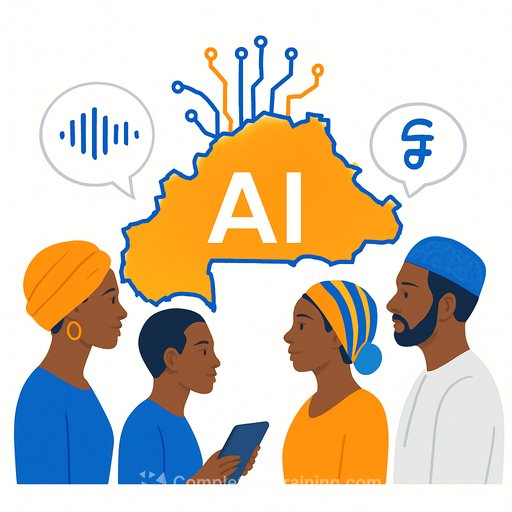
Burkina Faso's Ministry of Digital Transition is developing artificial intelligence applications for four national languages-Moore, Dioula, Fulfuldé, and Gulmancema-to make emerging technology accessible beyond French-speaking populations.
A workshop that began March 24 brings together linguists, academics, journalists, and AI specialists to create the structured language data needed for speech recognition, machine translation, and voice synthesis systems. The Permanent Secretariat of Innovation and the Awakening of Digital Emerging Technologies (SPIVTEN) is overseeing the effort.
Building Local Capacity
The initiative reflects a shift in how African countries approach digital development. Rather than adopting off-the-shelf tools designed for major languages, Burkina Faso is investing in infrastructure tailored to its population's actual linguistic needs.
The work involves collaboration with national institutions including RTB, the state broadcaster, and local research organizations. The goal is technology that reflects the country's cultural context, not generic solutions imposed from outside.
Broader Strategy
This project sits within Burkina Faso's larger digital transformation agenda through 2030. The ministry is prioritizing three areas: developing local expertise in generative AI and language models, strengthening digital sovereignty, and expanding AI use across key economic sectors.
The approach signals that inclusive digital infrastructure requires investment in local languages before-not after-technology deployment. Without structured linguistic resources, speech recognition and translation systems perform poorly for non-dominant languages, effectively excluding speakers from AI-driven services.
Your membership also unlocks: