How AI-Based Learning Tools Will Change The Way Students Learn By 2026
AI isn't replacing teachers. It's giving them leverage. By 2026, classrooms with 30-40 students will finally feel personal, with practice, feedback, and data adapting to each learner without piling more work on educators.
The promise is simple: students work at their level, teachers lead instruction, and systems handle the grind of practice tracking and diagnostics. This shift won't feel flashy. It will feel calmer, clearer, and more productive for everyone in the room.
From One-Size-Fits-All To Level-Based Practice
Most classrooms hold wide variation in readiness. Even experienced teachers can't individualize every task in real time. AI-based systems can close that gap by serving the right question, hint, or scaffold at the right moment.
Uniform worksheets give way to targeted practice with instant feedback. Mistakes get corrected early. Students build fluency faster because they spend more time in their productive zone, not stuck or bored.
What This Looks Like In A Classroom
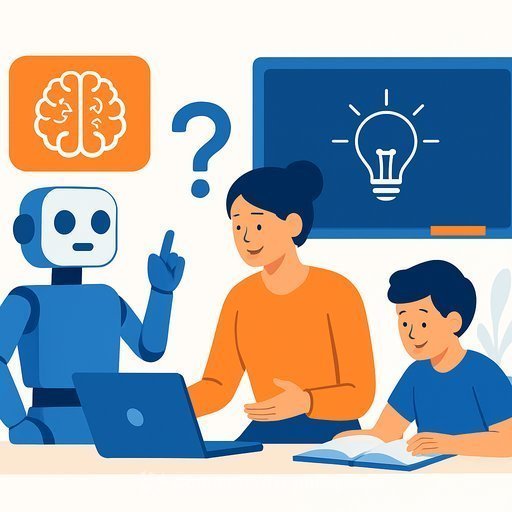
Instruction starts with the teacher: context, modeling, examples, misconceptions. After that, an AI assistant takes over individual practice-listening to a child read aloud, stepping through a math solution, or probing understanding in science.
Tools like LEAD Group's "Ms Curie" aim to support one-to-one practice in reading fluency, mathematical problem solving, and application-focused science. A second assistant, "Socrates," focuses on teacher support and school-level insight-surfacing what's working, what isn't, and where to intervene early using real-time learning data.
The net effect: teachers spend more time on explanation, discussion, mentoring, and motivation-tasks that require judgment and presence-while routine checks and records run in the background.
What Students Need To Learn Next
- AI literacy: how systems make predictions, where they fail, and how to verify outputs.
- Computational thinking: breaking problems into steps, working with algorithms, debugging reasoning.
- Critical evaluation: fact-checking, source comparison, and recognizing bias.
- Human strengths: creativity, ethical reasoning, adaptability, and independent learning habits.
If you're building curriculum, these threads can sit inside existing subjects. For a broader view, see guidance from UNESCO on AI in education here and the OECD's work on AI and learning here.
Implementation Checklist For 2024-2026
- Start with a pilot: one grade, one subject, clear goals, eight to twelve weeks.
- Define mastery: set proficiency bands and exemplars so AI practice aligns with standards.
- Choose the right assistant: look for adaptive practice, instant feedback, error analysis, and student voice features (read-aloud, hints, step-by-step support).
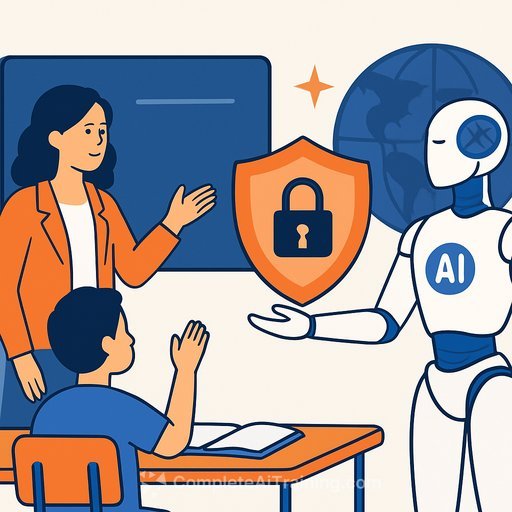
- Protect privacy: confirm data minimization, parental consent flows, retention limits, and export options.
- Integrate lightly: SSO, rostering, LMS grade passback, and offline or low-bandwidth modes if needed.
- Measure impact: set baseline and post data for growth, time-on-task, and feedback speed.
- Invest in PD: short, repeated training on classroom routines, not just tool clicks.
- Communicate with families: what the tool does, what it doesn't, and how privacy is protected.
Teacher Time: What Gets Returned
- Automated practice tracking and basics of assessment (exit tickets, quizzes, fluency checks).
- Real-time misconception flags and small-group suggestions.
- Instant item analysis and growth reports-no spreadsheet wrangling.
That time shifts to high-value work: feedback on reasoning, rich discussion, motivation, and relational support.
Guardrails: Equity, Ethics, Privacy
- Bias: regularly audit prompts, rubrics, and outputs for fairness across student groups.
- Transparency: make it clear to students when an AI generated feedback and why.
- Student agency: allow students to challenge an AI judgment and show their reasoning.
- Data discipline: collect the minimum needed; set clear deletion timelines.
Metrics That Matter
- Mastery gains by standard or skill band.
- Time-on-task and productive struggle rates (not just minutes logged).
- Teacher time saved per week on grading and data prep.
- Feedback latency: seconds from error to guidance.
- Student confidence and belonging (short pulse surveys).
Feature Checklist For Buyers
- Student experience: adaptive sequencing, step-level hints, error-specific feedback, and read-aloud.
- Teacher tools: live dashboards, small-group recommendations, exemplar responses, and exportable evidence.
- Leader view: cohort trends, early-risk alerts, and equity breakdowns.
- Access: mobile-friendly, offline cache, multilingual support, and accessibility compliance.
Professional Growth For Educators
Teachers don't need more tools; they need clear routines and confidence with AI-assisted practice. If you're building your own skills or planning PD, explore focused AI courses by role and skill.
- AI courses by job - curate what fits your staff roles.
- Latest AI courses - keep your PD current without the noise.
The Bigger Picture
The aim isn't to chase trends. It's to build stronger schools where teachers are supported, leaders see issues early, and every child gets the attention they need.
By 2026, the schools that win will look familiar: great teaching up front, smarter practice afterward, and data that serves people-not the other way around.
Your membership also unlocks: