AI in Real Estate: Analyzing Strata Reports
Artificial intelligence can assist in analyzing real estate documents, but sometimes a human touch remains essential. Over several discussions, the potential of AI tools in supporting property transactions has been explored. To conclude, it’s worth examining how well AI handles a large, complex document like a strata report and whether it can deliver meaningful insights.
If you’re buying a strata property, a strata document package is part of your due diligence process. This package typically contains financial statements, a depreciation report outlining upcoming maintenance and long-term plans, insurance details, and meeting minutes from at least the past two years. Essentially, it provides a comprehensive snapshot of the property’s recent history and the shared community responsibilities you’re about to join.
The document used for this analysis is 284 pages long and packed with essential details. It includes strata bylaws, financial records, annual and council meeting minutes, insurance summaries, and the “Form B” information certificate. Given its size and complexity, the challenge lies in asking the right questions to get useful and actionable insights.
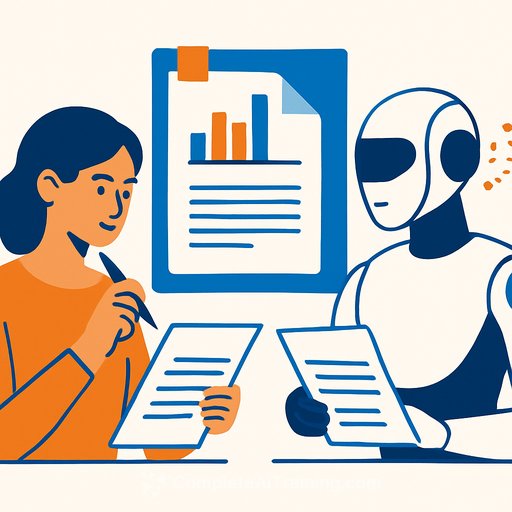
The instruction given to AI was to analyze the strata documents and produce a 10-page report highlighting the critical information for a potential buyer. Since Meta AI does not support file uploads, the focus was on two platforms: GROK and ChatGPT. Both generated 10-page reports, too lengthy to include here, but their key differences are summarized below.
Differences in AI Reports
What GROK Missed:
- Storage locker confirmation
- 2023 roof inspections and fire suppression details
- Interior painting timeline scheduled for 2024
- Limited details on council issues
- Specifics from the 2023 Annual General Meeting (AGM)
- Elevator modernization study
- Explicit statement on code violations
- Recommendations such as requesting a building condition assessment and quarterly minute reviews
- Pet rules were inaccurate—stated two pets up to 40 pounds, versus the incorrect limit of one pet at 25 pounds
What ChatGPT Missed:
- Accurate strata fee details
- Detailed financial data
- Correct contingency reserve fund (CRF) information
- Rental restrictions were not mentioned
- Broader coverage of meeting minutes
- Quantified concerns were lacking
- Accurate insurance information
- Actionable recommendations were missing
To provide context, the AI reports were compared against a paid condo strata review service. The service highlighted some details that both AIs missed:
- Storage locker availability
- Pet allowances
- Short-term rental policies
- Bylaws and rules
- 2024 AGM resolutions and 2022 AGM details
- Financial statements and depreciation reports
- Insurance coverage details
- Concerns such as absence of electrical reports and deferred deck maintenance
What AI Captured That the Paid Service Didn’t:
- Noted concerns about missing electrical reports and deferred deck maintenance
- Accurate CRF balance
- Correct unit entitlement figures
- Detailed financials including fee increases and catch-up fees
- Comprehensive rules and minute-specific issues
- Correct earthquake insurance deductible
- Quantified risks and actionable recommendations
Overall, AI performed well with a complex document. It’s possible the paid service also uses AI internally, making this a comparison of similar approaches. Mortgage brokers and accountants typically review strata documents to assess financial health, and the AI-generated reports were thorough without glaring errors.
One notable discrepancy involved the contingency reserve fund. Different reports pulled the figure from varying sources. GROK appeared to take the number directly from the current balance sheet, which is likely the most reliable.
The takeaway is that knowing the subject matter and framing precise questions is essential to extract useful information from AI tools. Whether using AI or paid services, buyers must review key numbers themselves—especially CRF amounts and insurance costs—since errors here can have significant consequences.
Conclusion
When comparing AI and human analysis, humans still hold the edge. AI is a valuable tool that, when used skillfully, can deliver solid results. But using AI without understanding the context or how to ask the right questions can lead to incomplete or misleading outputs. Real estate professionals should view AI as a collaborator rather than a replacement.
For now, human expertise remains critical in interpreting strata reports and making informed decisions. The final verdict: AI scores a point, but humans take the win.
Your membership also unlocks: