Can Finance Put a Stop to AI Data Mining?
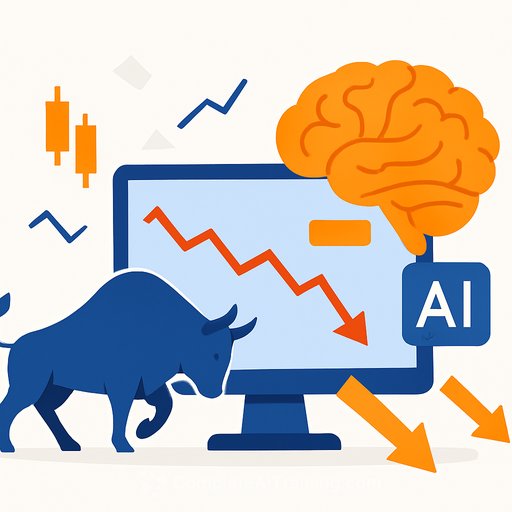
Artificial intelligence (AI) is deeply transforming finance, especially through data mining — the process of extracting valuable insights from large data sets. While AI’s ability to analyze financial data offers clear benefits, it also raises pressing concerns about privacy, security, and ethical use of sensitive information.
The Rise of AI in Finance
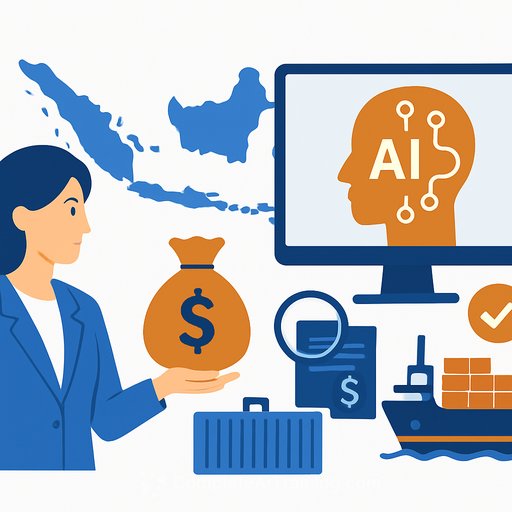
Financial institutions are adopting AI for tasks like risk assessment, fraud detection, and customer service automation. These applications help improve efficiency and decision-making. However, AI’s data mining capabilities also bring challenges, particularly regarding how sensitive financial data is collected, stored, and used.
Regulatory Challenges
Regulators face the difficult task of crafting rules that both protect consumer data and encourage innovation. Creating effective frameworks means balancing data privacy with the benefits AI can deliver. Without clear guidelines, financial institutions risk legal pitfalls and loss of customer trust.
Ethical Considerations
Bias embedded in AI algorithms can cause unfair treatment of certain groups, which is a major ethical concern. Financial firms must prioritize transparency and accountability in their AI systems. Ensuring fairness isn’t just a regulatory box to check — it’s key to maintaining credibility with clients and the wider market.
Conclusion
Finance and AI data mining together offer powerful opportunities but also significant risks. Industry leaders, regulators, and technology providers need to engage openly about rules and ethics to manage AI’s impact effectively. Staying informed and proactive on these issues is crucial for any finance professional today.
For those looking to deepen their understanding of AI applications in finance, exploring specialized courses can be valuable. More information is available at Complete AI Training – Finance Courses.
Your membership also unlocks: