Celebrities Turn to Trademark Law to Protect Images and Voices From AI
Artificial intelligence can now replicate a celebrity's voice with near-perfect accuracy, generate realistic videos of individuals, and create fake endorsements-all without permission. As these technologies become cheaper and easier to use, entertainers, influencers, and public figures are discovering that traditional copyright and right of publicity frameworks don't adequately address AI-generated misuse of their identity.
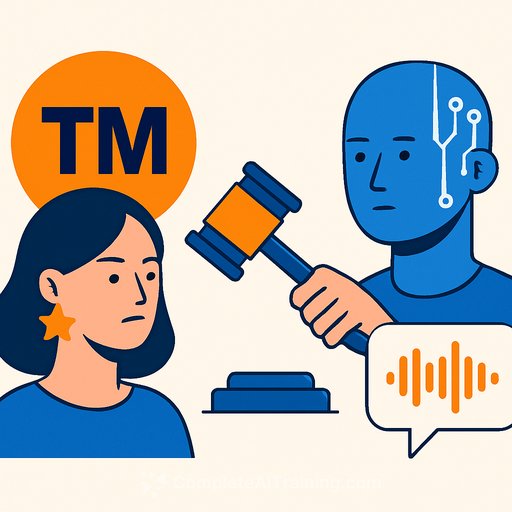
Many are turning to trademark law and false endorsement claims as a more effective enforcement tool. Unlike copyright, trademark law focuses on consumer confusion and commercial misuse-the exact problem AI deepfakes and voice clones create.
Why Trademark Law Works Better for AI Misuse
The Lanham Act, the federal trademark statute, provides a flexible framework for combating unauthorized AI use. Trademark claims don't require exact copying. They focus instead on whether the use is likely to mislead consumers.
Key claims include false endorsement, false designation of origin, and likelihood of confusion as to sponsorship or approval. This makes trademark law especially effective against AI-generated content designed to appear authentic.
A voice can be protected as a trademark in certain cases. When a voice is closely tied to a commercial persona, unauthorized imitation-particularly in advertising-can create liability. Courts have recognized this for actors, musicians, influencers, and content creators.
Building a Protection Strategy
Celebrities and creators should take proactive steps before infringement occurs. Key strategies include:
- Registering trademarks for names, stage names, slogans, and brand elements
- Establishing consistent commercial use of these marks
- Monitoring online platforms for AI-generated misuse
- Developing enforcement protocols including DMCA takedowns and platform complaints
Early action is critical. Failure to police your rights can weaken your legal position over time.
Enforcement Options
When unauthorized AI content appears, swift action is often required. Common enforcement steps include cease and desist letters, trademark infringement claims, DMCA takedown notices, platform enforcement through YouTube and Instagram, and federal litigation.
IP disputes can escalate quickly when commercial exploitation is involved. Just as businesses must secure proper licenses to avoid costly litigation, individuals must protect their personal brand before damage occurs.
For legal professionals handling these matters, understanding how trademark law applies to AI-generated content is becoming essential. Learn more about AI for Legal professionals and how emerging technologies affect IP enforcement strategies.
Your membership also unlocks: