
AI news ·
Celebrities turn to trademark law to shield their identities from AI deepfakes
Taylor Swift, Matthew McConaughey, and Jeremy Clarkson have filed trademarks on their voices, faces, and catchphrases to fight AI deepfakes. Copyright law fails here because deepfakes reconstruct rather than copy directly.
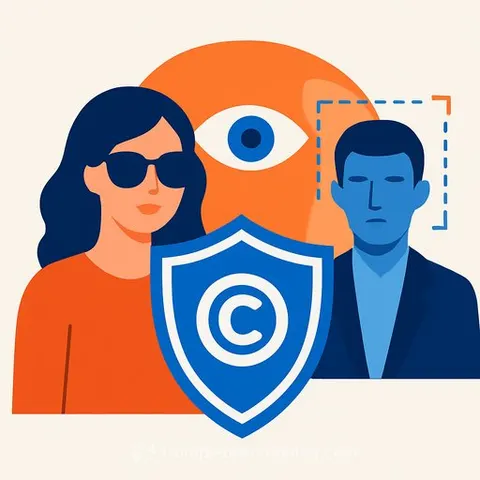
Celebrities are using trademark law to protect their identity from AI deepfakes
Taylor Swift, Matthew McConaughey and Jeremy Clarkson have filed trademark registrations for aspects of their identity-voices, catchphrases, facial images-in response to the threat of AI-generated impersonations. The legal strategy fills a gap that copyright law cannot address, and it marks a shift in how public figures are protecting their brands.
Swift registered sensory trademarks in late April for her saying "Hey, it's Taylor" and "Hey it's Taylor Swift," along with a specific image from the Eras Tour. McConaughey secured eight trademarks covering his face, voice and known phrases, including a sound mark of his "All right, all right, all right" catchphrase. Clarkson trademarked his face after fake AI social media posts in 2024 falsely depicted him endorsing cryptocurrency.
Why copyright doesn't work for AI deepfakes
Copyright law requires proving that an alleged infringement is "substantially similar" to the original work. That test breaks down with AI-generated material. Deepfakes and voice clones are synthesized from many pieces of training data rather than copied directly, so they may not meet the legal threshold for substantial similarity.
A court must find a recognizable resemblance between the original and the alleged infringement. AI can produce a convincing impersonation that falls short of that standard because it's reconstructed rather than replicated. Copyright law simply wasn't designed for this problem.
How trademark protection differs
A trademark is a distinctive word, phrase, sound, image or other identifier that signals brand ownership and prevents consumer confusion. Non-traditional "sensory marks" include sounds, scents or textures.
Trademark infringement hinges on "likelihood of confusion"-whether consumers might think an infringing product or service is connected to or endorsed by the trademark holder. The alleged infringement doesn't need to be identical, only similar enough to cause confusion.
Swift's trademark of her saying her own name could give her grounds to challenge an AI deepfake that sounds similar, arguing it confuses consumers about whether the content is associated with her brand. McConaughey said his trademarks would protect his brand from unauthorized AI cloning and provide him control over future use of his voice and likeness.
Significant uncertainties remain
None of these celebrity trademarks have been tested in court. It's unclear whether phrases and performance elements can effectively denote brand identity in the way traditional marks do, or how much AI replication would constitute infringement.
Trademark owners must also demonstrate continuous use of their marks. How a celebrity continuously "uses" a catchphrase in a way that satisfies legal requirements is an open question.
These trademarks also won't help most people. The strategy only works for those with a recognized brand tied to their identity. For ordinary people whose faces or voices are cloned, trademark law offers no protection.
Celebrities are adapting existing law to address a new threat. Whether courts will validate this approach remains to be seen. For AI for Legal professionals, understanding trademark strategy as a response to deepfakes and voice cloning is becoming essential as clients seek protection beyond traditional copyright frameworks.