CES 2026: Do AI companions need jobs? Cocomo and INU make the case for simple presence
Every brand is trying to put AI somewhere in your life. The interesting twist this year: some of it doesn't want to work for you. Ludens AI brought two concept companions to CES 2026-Cocomo and INU-that focus on presence, not productivity.
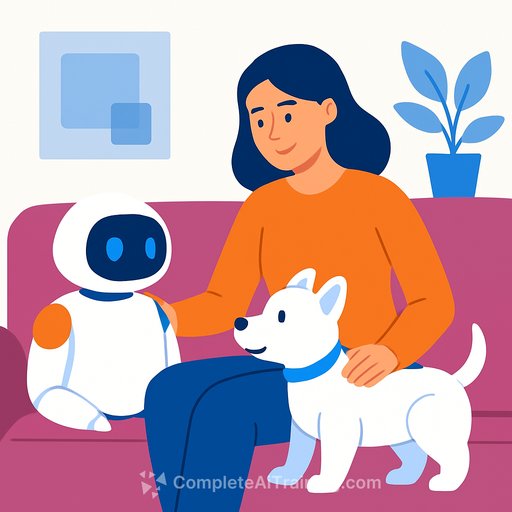
No calendars. No task lists. No "replace your phone" claims. Just small robots that live alongside you and respond like a pet would-through motion, sound, and attention.
What Cocomo is trying to be
Cocomo is the more ambitious concept. Think: an everyday companion with an evolving personality and memory that grows with you through shared routines instead of explicit commands.
It moves with 10 degrees of freedom, communicates with expressive digital eyes, and uses multi-sensory interaction-movement, sound, touch, and presence-to respond. The pitch isn't about chores. It's about how a machine can feel familiar over time because it remembers how you interact.
INU: the intentionally limited desk buddy
INU is the opposite of feature creep. It's a "desktop alien dog" built to sit with you while you work. It reacts to voice, motion, and proximity with playful sounds and small expressive movements.
The constraint is the point. INU doesn't pretend to be a smart speaker or an assistant. It's a desk companion, and that clarity reduces confusion and disappointment.
Why this matters for product, engineering, and IT
Presence-first AI is a different product category. It's not competing with phones or assistants-it's closer to social robotics and ambient computing. That shift changes how teams should scope, instrument, and measure these devices.
- Jobs-to-be-done: utility vs. companionship-distinct from traditional Productivity-focused expectations. Success metrics move from task completion to attachment, delight, and daily touchpoints.
- Behavior systems: less "skills," more state machines, affect modeling, and small policies that feel alive without overpromising.
- Memory design: lightweight, on-device memory for routines and preferences; clear resets and transparency to avoid creepiness.
- Safety and privacy: no covert recording, explicit consent for any cloud use, clear LED/eye-state signaling, and local processing by default.
- Hardware choices: quiet actuators, safe torque limits, fall detection, thermal control, and battery swapping or dock habits.
- Content pipeline: micro-interactions evolve over months. Plan seasonal behaviors, "first week" onboarding, and surprise-and-delight moments.
- Business model: avoid assistant-style value props. Consider upfront hardware + optional content subscriptions or collectible expansions.
How to build presence that lasts longer than novelty
Yes, expressive desk robots can lose their charm. The counter is progressive depth-subtle changes that reflect your routines without feeling invasive.
- Design "chapters" of behavior that unlock with time and consistent interaction (not streaks).
- Use variability bands: similar reactions with small differences so it never feels canned.
- Pair touch, sound, and motion into short loops that can be interrupted gracefully.
- Schedule quiet modes, work-hours etiquette, and no-jump-scare rules.
- Offer a simple "mood dial" so users can pick calm, playful, or focused profiles.
Architecture notes for engineers
- Perception: low-latency voice activity detection, basic proximity sensing, and gesture cues; keep models small and on-device where possible.
- Behavior engine: finite state machine plus small policy models for gaze, idling, and approach/avoid behaviors.
- Memory: key-value store with recency/decay and explicit user controls (reset, export, pause).
- LLM use: sparingly for phrasing or personality nudges; keep core reactions deterministic to ensure safety and consistency.
- Ops: over-the-air updates with signed builds, safe-rollbacks, and per-interaction logs stored locally with user consent for diagnostics.
Product risks to resolve before scale
- Expectation management: positioning must reject "assistant" framing to prevent mismatched reviews.
- Durability: repeated micro-motions stress joints; validate actuators for quiet long-term use.
- Energy: idle presence should sip power; dock behavior should feel natural, not needy.
- Compliance: treat microphones and cameras with strict consent flows; clear for homes with kids and pets.
- Repairability: modular shells and accessible parts extend lifetime and reduce returns.
Where this could fit in your roadmap
- Wellness and focus: gentle break prompts, posture nudges, "you've worked long enough" signals-without nagging.
- Team culture: an office "pet" that mirrors team rituals and milestones.
- Brand companions: retail or hospitality presence that welcomes, mirrors mood, and hands off to humans when needed.
- Education: routine-building for study sessions with clear privacy guarantees.
Bottom line
Cocomo and INU are a reminder that not all AI needs a job description. For some users, presence and personality are the product. If you're building in this space, scope small, keep behavior legible, and let routines-not features-carry the weight.
Related reading: CES and an overview of human-robot interaction.
If you're exploring skill-building for teams working on AI products, browse practical course paths by role at Complete AI Training.
Your membership also unlocks: