CGTC awarded $3.9M grant to enhance education through AI
Central Georgia Technical College (CGTC) secured $3.9 million from the U.S. Department of Education's Fund for the Improvement of Postsecondary Education (FIPSE) to expand AI-supported teaching and student services. The award backs the college's Strengthening Technical Education Programs through Artificial Intelligence (STEP-AI) initiative.
The plan focuses on AI where it moves the needle for learning and workforce readiness. It concentrates resources in two places that matter for day-to-day outcomes in higher ed.
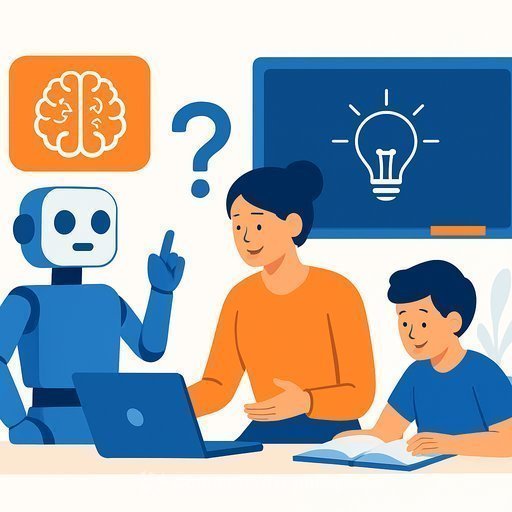
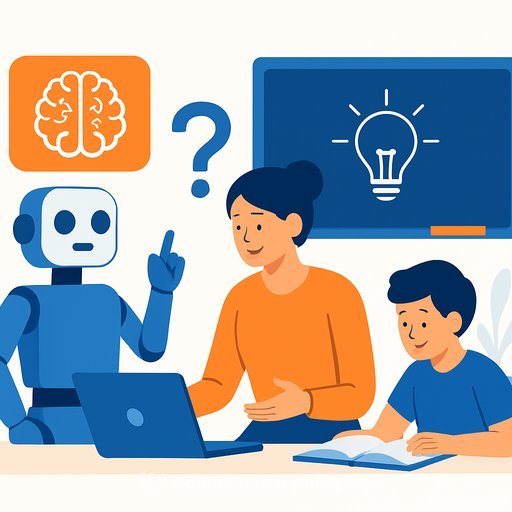
- Student support: Generative AI to enhance tutoring, advising, and college/career navigation for undergraduates.
- Curriculum: Machine learning integrated into technician education pathways.
"Our Strengthening Technical Education Programs through Artificial Intelligence (STEP-AI) award will advance the understanding and use of artificial intelligence in education through a two-pronged approach: expanding the utilization of generative AI to enhance tutoring, advising, and college/career navigation for undergraduate students, while integrating machine learning into technician education pathways," said Dr. Deborah Burks, vice president for Institutional Effectiveness at CGTC. "This strategic focus will prepare both traditional and dual-enrolled high school students for the converging technologies that define Industry 4.0."
That last point matters. Industry 4.0 skills-data literacy, automation, and systems thinking-are now baseline requirements across technical roles (NIST overview).
Why this matters for education leaders
AI is moving from pilot projects to core services. Done right, it increases access, consistency, and speed without adding headcount you don't have.
- Close support gaps: Offer always-on help in tutoring and advising while keeping human oversight for nuance and care.
- Make guidance consistent: Standard responses, better triage, and cleaner data for early alerts and retention work.
- Refresh technician programs: Bring ML concepts, tools, and safety practices into labs and coursework tied to local employers.
Practical steps you can adapt on your campus
- Start with low-risk use cases: writing support, math labs, and career services. Define clear handoffs to staff.
- Set guardrails: explicit AI-use policies, privacy reviews, bias checks, and human-in-the-loop escalation.
- Train your teams: short sessions on prompt quality, assessment design, and academic integrity in an AI context.
- Update curriculum: add ML fundamentals, ethics, and toolchains into existing technician courses; co-develop capstones with industry.
- Measure results: track wait times, usage, student outcomes, and cost per student served to guide scaling.
The bottom line
CGTC's STEP-AI investment puts AI to work where students feel it first-support and skills. For peers, the takeaway is clear: pick focused use cases, build guardrails, upskill faculty, and measure.
Resources
- U.S. Department of Education - FIPSE
- NIST: Industry 4.0 overview
- AI courses by job role for faculty and student services teams
Your membership also unlocks: