AI in Australian Classrooms: Oral Defense, Real Gains, and a Risk of a Two-Speed System
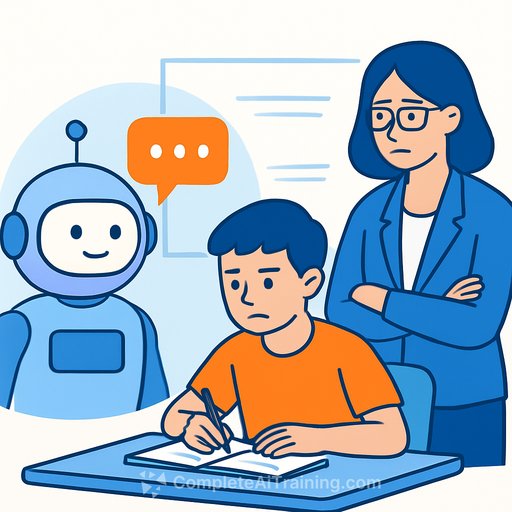
Across Australia, a quiet shift is happening. Students still submit essays, but in some schools they now face a follow-up: an AI "Thinking Mode" that questions their work. It asks, "Can you explain this more?" or "What do you mean by that term?" The goal is simple-check for real understanding and discourage copy-paste shortcuts.
What's Working on the Ground
At Hills Christian Community School in the Adelaide Hills, AI sits alongside sensors, drones, and coding projects used to study rivers, pollinators, and bushland habitats. Students with disabilities are testing AI glasses with built-in speakers that quietly explain what's happening without derailing the class.
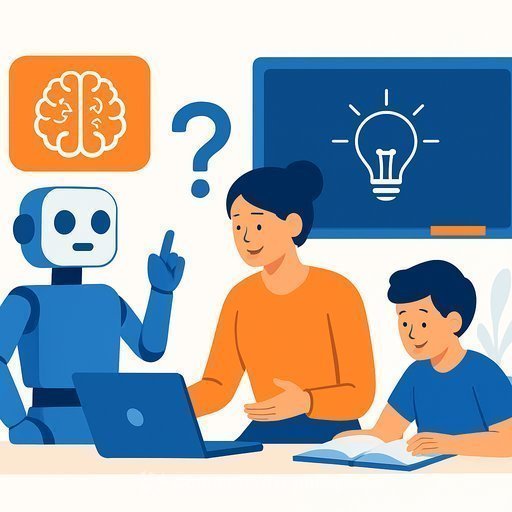
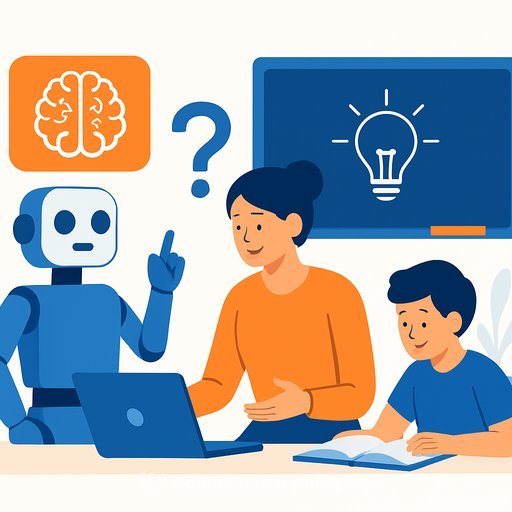
As the school's leader of digital innovation, Colleen O'Rourke puts it plainly: "AI tools are used by educators to amplify great practice, not dilute it." She adds, "The human element cannot be lost in this. AI is the co-collaborator in the triad of the teacher and the student."
Adoption Is Uneven-and That Matters
Independent Schools Australia warns that the fast uptake of new tools is creating winners and losers. Without coordinated support, resource-rich schools will keep pulling ahead while others stall. Only New South Wales and South Australia have rolled out AI programs system-wide in public schools since lifting bans in late 2023.
On the ground, department-owned tools like NSWEduChat and South Australia's EdChat are helping teachers plan lessons, draft feedback, and guide student study through targeted prompts. Early signs point to saved teacher time and better support for students with language or learning barriers.
For context, the 2024 Teaching and Learning International Survey found two-thirds of Australian secondary teachers-and just under half of primary teachers-already use AI in their work. The same survey flagged clear concerns: student wellbeing, privacy, and academic integrity. Guidance and safeguards are lagging behind use. See the OECD's TALIS overview for details: OECD TALIS. NSW has also published guidance on AI in education: NSW Department of Education.
Practical Ways to Use AI-Without Losing the Plot
- Oral defense by default: Pair written submissions with a short AI-led Q&A. Log the exchange. You'll confirm authorship, probe reasoning, and spot gaps fast.
- Start low-risk: Use AI to draft feedback, generate practice questions, and summarise student misconceptions. Keep final judgment human.
- Target inclusion: Offer AI-assisted reading, captioning, and explanations. Quiet, personal supports help without spotlighting a student.
- Tutor with boundaries: Set bots to "explain steps," not "give answers." Require students to show workings and reflect on prompts used.
- Protect privacy: Prefer department-owned tools. Disable data retention and training on student content. Get explicit consent for sensitive use.
- Measure impact: Track teacher time saved, student growth on specific standards, and integrity incidents. Adjust or pause tools that don't earn their keep.
Leadership Priorities to Avoid a Two-Speed System
- Equity first: Budget for devices, bandwidth, and support in lower-resourced cohorts. Share models and content across clusters.
- Common guardrails: Set clear policies for data, safety, and assessments. Define allowed vs. disallowed uses by task and year level.
- Assessment updates: Blend products (essays, projects) with processes (draft trails, oral defenses, live problem-solving).
- PL that sticks: Prioritise hands-on training tied to classroom workflows, not tool demos. Build internal champions in each faculty.
- Transparent procurement: Require evidence of impact, alignment to curriculum, and compliance with child safety and privacy laws.
Implementation Checklist (Use This to Start Next Week)
- Pick two high-leverage use cases: feedback drafting and oral defense.
- Adopt a department-approved tool; disable data training on student work.
- Create a one-page integrity policy students sign and reference in class.
- Run a 45-minute staff session: prompt patterns, red flags, escalation steps.
- Define success metrics: minutes saved per task, rubric gains on reasoning, fewer integrity incidents.
- Review in four weeks; keep what works, cut what doesn't.
Where National Policy Can Add Real Value
- Fund a sector-blind pilot with ring-fenced support for rural and low-SES schools.
- Publish model policies and assessment templates schools can copy, not reinvent.
- Provide shared infrastructure: safe LLM access, red-team testing, audit logs.
- Independent evaluation on learning, wellbeing, workload, and integrity.
Training Resources
If your staff are still "figuring it out," you're not alone. Start with structured, classroom-first training:
- AI Learning Path for Teachers - practical workflows for planning, feedback, and student use.
- AI Learning Path for School Principals - governance, procurement, and change management.
AI can raise the floor without capping the ceiling-if we keep humans in charge, make integrity visible, and fund access where it's needed most. Treat AI as a co-teacher, not an autopilot, and put evidence over hype.
Your membership also unlocks: