How Generative AI Commerce Will Upend the Hotel Booking Game
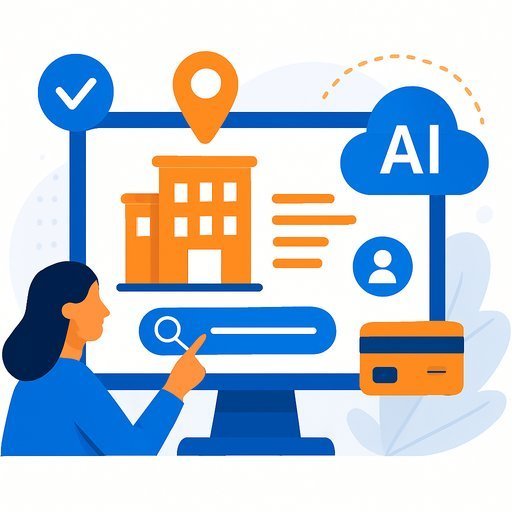
The hotel booking flow is about to get compressed. What used to stretch across search, meta, OTA pages, and brand sites will happen inside one fast conversation with an AI that can search, compare, negotiate, and transact.
This doesn't just shift where bookings happen. It changes who owns the guest relationship, how pricing gets set, and what "distribution" means when systems message each other directly.
From Inspiration to Transaction
With AI agents connected to live inventory, a traveler can ask: "Boutique hotel in Rome near the Spanish Steps, under €300, breakfast, flexible cancel." Seconds later, they see options that match the brief with transparent trade-offs.
Then comes the twist: the chat turns into a deal. Traveler AI: "Any better rate for five nights?" Hotel AI: "Confirm within 12 hours and receive a €40 dining credit." The stay is booked, the extras are logged, and add-ons like transfers or dining can be slotted in without friction.
When Pricing Becomes a Conversation
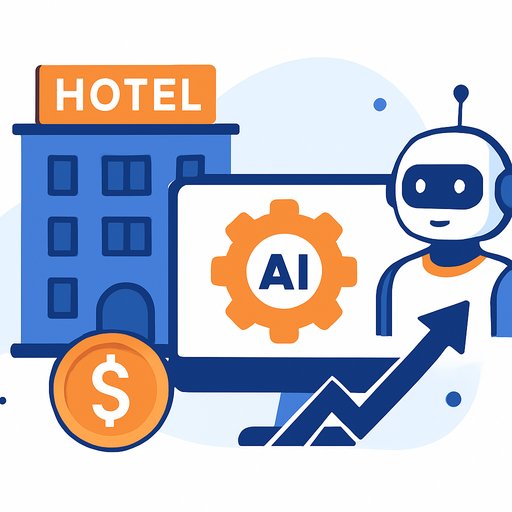
This flow builds on what hotels already do. RMS tools adjust rates by demand and pace; AI simply adds a negotiation layer that follows rules you set: floors, ceilings, perk triggers, and length-of-stay incentives.
That opens individual, context-aware offers at scale. Guest-facing agents could even earn a small cut of savings they secure, while revenue teams shift their focus from tactical tweaks to strategy, segmentation, and new value creation.
Will AI Erase OTAs? The Disintermediation Paradox
It's easy to assume new AI agents remove middlemen. Not quite. If an AI pulls live data from Booking.com or Expedia, those platforms still run the transaction and take commission - even if the guest never lands on their site.
True bypass only happens when hotels expose direct, AI-accessible pathways. That means reliable APIs to push and receive rates, availability, and rules. Without that, the interface changes, but the intermediary remains.
The New Distribution Playbook
Winning in AI-driven commerce is a systems game. Here's the practical stack to build now:
- API readiness across PMS, CRS, RMS, and POS: Real-time, secure, well-documented endpoints. Legacy on-prem tools without modern APIs turn into blockers.
- Structured, machine-friendly data: Standardize room types, amenities, policies, and fees. Use accepted schemas like schema.org so third-party agents can parse and compare cleanly.
- Context protocols, not just connections: APIs make you discoverable; context makes you understandable. The Model Context Protocol (MCP) helps AI agents act on your data as intended.
- Negotiation rules baked into RMS: Define guardrails: minimum/maximum rate, perk menus, LOS triggers, upgrade windows, and time-bound incentives.
- Content that answers decisions: Clear room differentials, fees, cancellation logic, inclusions, and perks. Ambiguity kills conversion when machines compare options line by line.
- Security and audit: Authentication, consent, logs of AI-issued offers, and dispute resolution. Treat AI-driven offers like contracts.
90-Day Action Plan
- Week 1-2: Audit your stack. List systems, API coverage, and bottlenecks. Ask vendors for API docs, rate/availability endpoints, and webhook support.
- Week 2-4: Map your data model. Normalize room types and policies. Align content to schema.org fields and clean outdated copy.
- Week 4-6: Pilot a direct AI-ready feed via your CRS or a connectivity partner. Start with one city or one brand.
- Week 6-8: Configure negotiation rules in your RMS. Set floors, perk matrices (credit, breakfast, parking), LOS triggers, and blackout periods.
- Week 8-10: Build an offer library. Create time-boxed incentives and upsell paths (late checkout, room move, F&B bundles).
- Week 10-12: Measure and iterate. Track conversion, ADR vs. control, commission saved, upsell capture, and cancellation rate. Tighten rules where margin leaks.
What This Means for OTAs, Brands, and Independents
OTAs: Expect to power bookings behind the scenes even when guests never see your page. Your leverage rests on data quality, inventory breadth, and partner tools.
Brands: Your data layer becomes a competitive moat. The better your APIs and context, the more often AI agents surface your offers directly.
Independents: You can compete if your systems speak clearly. Clean content, direct connectivity, and smart perks can beat undifferentiated rate cuts.
Experiment Where It Pays
- Test perk-first offers instead of rate cuts for length-of-stay and shoulder dates.
- Use time-bound incentives (e.g., "confirm in 12 hours") to improve commitment without eroding base rates.
- Segment by context (stay purpose, party size, loyalty tier) so the AI proposes value guests actually want.
- Protect margin with floors and limited negotiation windows. Log every concession and outcome.
Look Past the Interface
The search bar is giving way to a conversation. Static rate plans are giving way to guided negotiation. Websites matter, but your data pipes matter more.
In this new booking game, your API is the storefront and your data does the selling. Hotels that get their systems talking - clearly and on their terms - will keep more revenue and own more of the guest relationship.
Next Step for Teams
If your team needs structured upskilling on AI tools and workflows for commercial teams, see our curated tracks by role: AI courses by job.
Your membership also unlocks: