New Research Links ChatGPT Use to Cognitive Decline
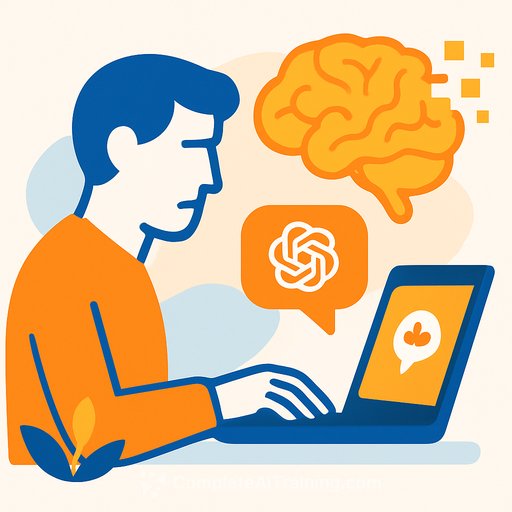
A recent study from the Massachusetts Institute of Technology (MIT) Media Lab highlights potential risks tied to frequent use of ChatGPT and similar large language models. Researchers examined how reliance on these AI tools affects brain function, focusing on cognitive performance and memory retention.
Study Design and Findings
The study divided participants into three groups tasked with writing essays:
- One group used ChatGPT to assist in writing.
- Another group used traditional search engines.
- The final group wrote essays without any external resources.
Brain activity was monitored through electroencephalography (EEG), which tracks electrical signals in the brain. The results were striking. Participants who relied on ChatGPT showed the weakest brain connectivity and recalled the least about their essays.
Meanwhile, those who wrote without assistance demonstrated the strongest and most distributed brain networks. The group using search engines fell somewhere in between.
Long-Term Concerns for Writers and Learners
The study warns of sustained cognitive and behavioral decline over a four-month period for heavy users of large language models. This is concerning for writers and professionals who might lean on AI tools for content creation but risk weakening their neural and linguistic abilities.
Lead researcher Nataliya Kosmyna expressed particular worry about children still in developmental stages. She stressed that early, frequent AI use could interfere with how memory networks form, potentially doing lasting harm.
“ChatGPT is efficient and convenient, but users aren't integrating the information into their memory,” Kosmyna said. She urges caution before introducing such AI tools in educational settings for young learners.
Contrasting Views on AI in Education
Despite these warnings, some policymakers advocate embracing AI in schools. In April, former President Donald Trump signed an executive order promoting AI integration in American education to prepare youth for a digital future.
The order emphasized the importance of developing AI skills to maintain global leadership and equip students to thrive in a technology-driven society.
Ongoing Research and Future Insights
Kosmyna’s team is conducting further studies comparing brain activity between software engineers who use AI tools regularly and those who do not. Early indications suggest even greater cognitive impacts among professional AI users.
Writers should consider these findings carefully. While AI can boost productivity, overreliance may blunt critical thinking and memory retention, essential skills for crafting compelling, original content.
For those interested in responsibly integrating AI into their workflow, exploring ChatGPT-focused training courses can provide practical strategies that balance efficiency with cognitive engagement.
Your membership also unlocks: