OpenAI’s Next Move: Integrating E-commerce Inside ChatGPT
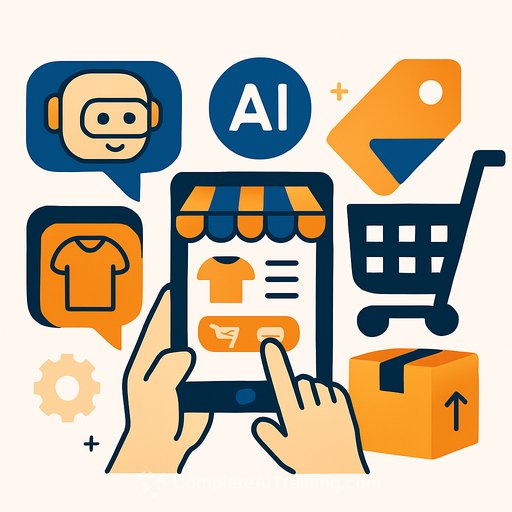
OpenAI is preparing to enter the e-commerce space by enabling users to purchase products directly through ChatGPT. This development, reported by the Financial Times, could create a new revenue stream for OpenAI by earning commissions on sales made via the chatbot. More importantly, it has the potential to disrupt online shopping and challenge Amazon's current dominance.
From Recommendations to Purchases
Right now, ChatGPT can recommend products based on user queries, such as where to buy a specific item or comparing prices and reviews. It leverages “memories” to recall user preferences from previous interactions, allowing personalized suggestions. For example, if a user prefers a particular shirt size or dislikes certain colors, ChatGPT tailors its product recommendations accordingly.
Currently, OpenAI does not take commissions on purchases made through these recommendations. However, this is set to change. OpenAI recently partnered with Shopify and is developing an integrated purchasing system within ChatGPT. This system would allow merchants to pay commissions to OpenAI for every sale completed through the chatbot. Early demos have already been shown to brands, with financial terms and commission structures under discussion.
Why This Matters for Product Development Professionals
OpenAI’s paid subscriptions currently form the bulk of its revenue, but these do not cover the high costs of AI development and operations. Adding e-commerce functionality could provide a crucial revenue boost.
For product developers, this means rethinking how products are discovered and sold online. ChatGPT offers a more conversational and personalized shopping experience than traditional search-based e-commerce. Instead of sifting through lists of links, users receive detailed, tailored recommendations that evolve with their input.
Advantages of ChatGPT in E-commerce
- Personalization: ChatGPT remembers user preferences and adapts recommendations accordingly, creating a seamless shopping experience.
- Enhanced Search: It compares options and factors in specific user criteria such as price sensitivity or shipping speed.
- Image Recognition: Users can upload photos to find matching products, whether it’s accessories to go with an outfit or furniture to complement a living room.
- Integrated Booking: Beyond shopping, ChatGPT could enable booking flights, hotels, or tickets directly within the chat interface, streamlining planning and purchases in one place.
Implications for the Market and Brands
If ChatGPT becomes a go-to shopping assistant, it could reduce sellers’ reliance on platforms like Amazon by diversifying sales channels. This shift may encourage brands to optimize product pages specifically for AI-driven recommendations.
As ChatGPT and similar AI tools capture more user interactions, product teams should consider how to align their strategies with AI-based discovery and purchasing behaviors. This includes focusing on clear, structured product data and enhancing user engagement through conversational interfaces.
Looking Ahead
The integration of e-commerce inside ChatGPT is still in development, but it signals a notable shift in how online shopping might work. For product developers, staying informed and exploring AI-driven commerce could open new avenues for innovation and growth.
To learn more about AI applications in product development and how to leverage tools like ChatGPT, explore Complete AI Training’s ChatGPT courses.
Your membership also unlocks: