The Challenge of AI and Humanities Education
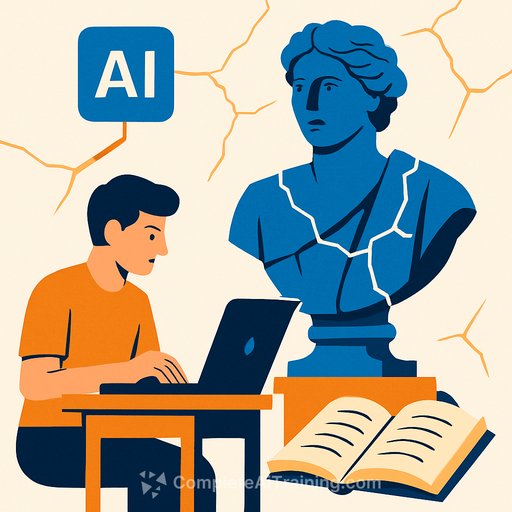
Many students see no problem using AI to complete their assignments. Instead of fighting this reality, educators might need to rethink what humanities education truly means in an age where AI-generated writing is common.
Universities often treat humanities like STEM fields, emphasizing the products students create: essays, films, cultural critiques. But this approach misses the original purpose of the humanities. The real goal is the formation and growth of the student as a person — character development, critical thinking, and moral judgment.
What Is the True Value of Humanities Education?
Humanities aim to cultivate virtues that contribute to a flourishing life. This means helping students develop honesty, justice, courage, and especially practical wisdom — the ability to make sound judgments in complex situations.
AI challenges this because it can do the "work" for students, removing the friction and mental effort that build these virtues. When students rely on AI to write their papers, they may be short-circuiting the very process of learning and growth that humanities education is meant to foster.
Practical Wisdom in an AI World
Practical wisdom, or phronesis, isn’t about following fixed rules blindly. It means understanding context and making thoughtful decisions. AI use demands even more from students: knowing when and how to use technology responsibly.
But if AI removes challenges from learning, students lose the opportunity to develop these judgment skills. This can lead to intellectual deskilling, where critical thinking weakens because it's underused.
Bringing Cognitive Friction Back
To help students build practical wisdom, educators should reintroduce cognitive friction — the mental effort needed to grapple with ideas and make decisions.
A strict ban on AI might not be the best route. Instead, offer students a choice: write essays with or without AI assistance. If they choose AI, require a reflection on why they used it and how it affected their thinking. This forces them to engage critically, exercising the very skills AI might otherwise bypass.
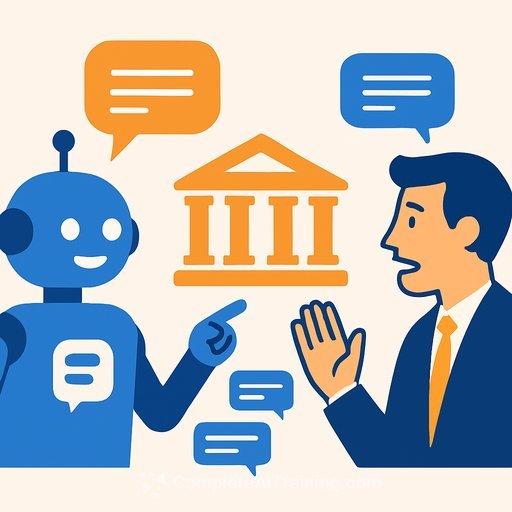
Discussion sections offer a great place to challenge students' thinking. Facilitating debates on AI’s role in education can sharpen their reasoning and ethical awareness.
Balancing Enforcement and Empathy
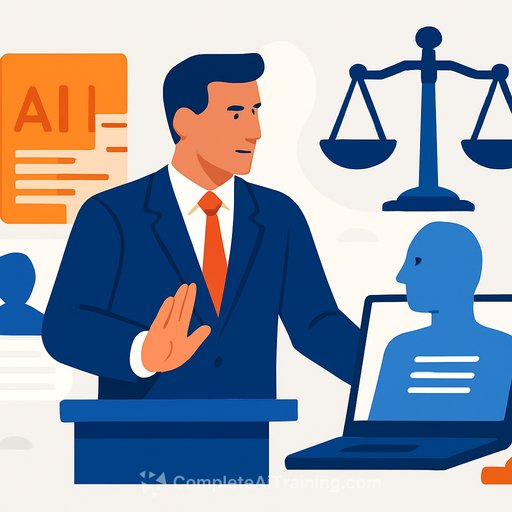
If a course has a no-AI policy, you may need to report suspected AI-written work. But when there's ambiguity, consider the student's engagement and thoughtfulness in discussions before taking action. Sometimes leniency supports the larger goal of character development.
This is a tough spot for educators. Many feel torn between institutional rules and their personal values. Remember, this struggle is part of a bigger shift in how humanities education must adapt to survive.
Further Reading and Resources
- Learn more about AI tools like ChatGPT to understand their capabilities and limitations.
- Explore prompt engineering courses for practical skills in guiding AI tools effectively.
- For a philosophical perspective on technology and virtues, consider Technology and the Virtues: A Philosophical Guide to a Future Worth Wanting by Shannon Vallor, which discusses how to cultivate moral character in a tech-driven world.
Final Thoughts
AI is changing how we think about learning and intellectual growth. The humanities must return to their core mission: helping students become thoughtful, wise individuals. Educators can support this by encouraging reflection, dialogue, and judgment rather than simply policing AI use.
By embracing AI as part of the learning process—rather than strictly opposing it—teachers can help students build the skills they'll need to make thoughtful choices in a world where technology is deeply integrated into daily life.
Your membership also unlocks: