Passive Home Monitor Aims to Catch Health Declines Before ER Visits
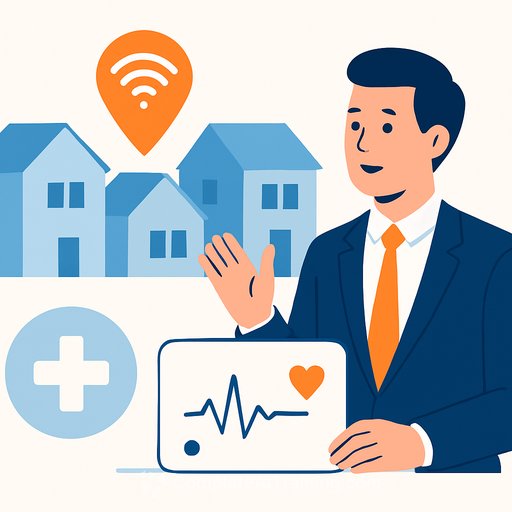
A passive AI-powered device developed by Cherish can detect changes in patient health at home and alert clinicians to intervene earlier, potentially preventing emergency room visits and lowering care costs.
Sumit Nagpal, Cherish's CEO, outlined the approach at HIMSS26 in March. The device monitors patients without requiring active engagement - no buttons to press, no data entry, no daily check-ins.
The system works by analyzing patterns in how patients move and behave at home. When the AI detects meaningful deviations from a patient's baseline, it flags the change for clinical review. A clinician can then reach out to the patient or adjust their care plan before a condition worsens.
Reducing Preventable ER Visits
Many emergency room visits stem from conditions that could have been managed earlier with proper monitoring and intervention. A patient with worsening heart failure or a fall risk, for example, might trigger an ER visit if no one catches the decline in time.
By catching these shifts sooner, clinicians gain time to act. They can increase telehealth touchpoints, adjust medications, or arrange in-home care - all less expensive than emergency treatment.
The Economics of Early Detection
Healthcare organizations face mounting pressure to reduce avoidable admissions. Home-based monitoring addresses this directly: it extends clinical visibility into patients' daily lives without adding burden to the patient.
The device fits into existing workflows. Clinicians receive alerts through their normal systems and decide whether action is needed. The AI handles continuous observation; humans make the clinical decisions.
Where This Fits
Passive monitoring works best for patients with chronic conditions who benefit from ongoing oversight - heart disease, COPD, diabetes, post-surgical recovery. The device collects no audio or video, addressing privacy concerns that often block home monitoring adoption.
For healthcare professionals managing patient populations, medical devices like this represent a practical application of AI for healthcare that affects both clinical outcomes and operational costs.
Your membership also unlocks: