China Scrutinizes Meta's Manus Deal: What It Means for Policy, IT, and Product Teams
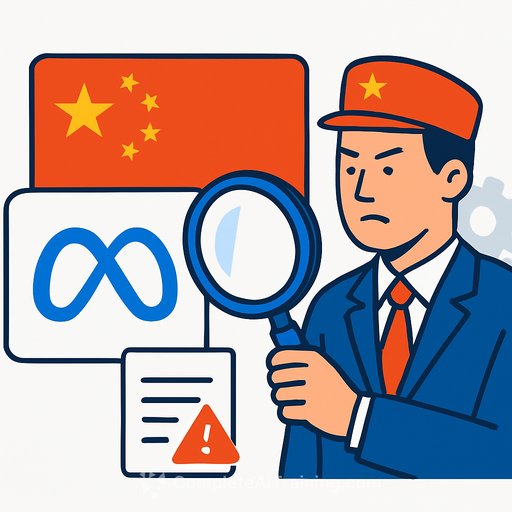
China's Ministry of Commerce is reviewing whether Meta's acquisition of Manus complies with rules on technology exports and outbound investment. Those rules require government approval for exporting certain technologies, including interactive A.I. systems.
Manus is headquartered in Singapore but was founded by Chinese engineers and previously tied to a Chinese parent company. That connection gives Beijing a say in whether core technology or know-how can change hands, similar to how it has asserted approval rights around any sale of TikTok's U.S. operations.
Manus gained attention after releasing an A.I. agent that could build simple websites and handle basic tasks, including Coding, and by December it reported more than $100 million in annual recurring revenue.
The deal is Meta's second acquisition since a U.S. court found the company had not violated antitrust laws last November. The Federal Trade Commission's 2020 lawsuit over Meta's earlier purchases of Instagram and WhatsApp did not result in a finding of monopoly power, with the judge noting competition from rivals like TikTok and YouTube. Case details.
What Beijing Is Assessing
- Whether Manus's technology falls under export-restricted "interactive A.I." or related categories.
- If any transfer of source code, model weights, algorithms, or key personnel knowledge constitutes a regulated export.
- Whether the structure of the acquisition complies with outbound investment controls tied to Chinese-affiliated entities. For context on the regulator, see China's Ministry of Commerce (MOFCOM).
Why This Matters
- Government and policy teams: Expect closer scrutiny of cross-border A.I. deals, stricter disclosures, and potential approval conditions (e.g., licensing instead of transfer, tech ring-fencing, data localization).
- Enterprise leaders: Integration timelines may stretch if approvals are needed. Deal value can shift if core IP or talent can't move freely.
- IT and development teams: Access to Manus tools, models, or agents could be delayed or limited depending on final terms. Plan for contingencies.
- Security and compliance: Data transfer, model weights handling, and employee movement (knowledge transfer) are likely to be the focal points.
What to Watch Next
- Scope of the review: Is MOFCOM focused on specific tech modules (e.g., agents, code-gen) or the full stack (models, tooling, infra)?
- Conditions vs. blocks: Beijing may allow the deal with constraints-licensing instead of full IP transfer, ongoing audits, or restrictions on exporting updates.
- Precedents: Prior actions around Chinese-founded firms with overseas operations suggest longer timelines and tighter guardrails rather than outright denials.
Practical Steps for Teams
- Map the tech: Identify what counts as export-sensitive (model weights, fine-tuning datasets, agent frameworks, proprietary toolchains). Separate what can be licensed from what must be transferred.
- Contract for uncertainty: Add clauses covering regulatory delays, partial approvals, or required carve-outs. Define fallback commercial terms (e.g., license-only).
- Design for constraints: Keep data and model weights in compliant regions. Use role-based access and detailed audit logs for any cross-border collaboration.
- Build a plan B: Line up alternate vendors or open-source stacks for code-gen and agent workflows to avoid stalling product roadmaps.
- Track people movement: Limit sensitive knowledge transfer until approvals clear; document training, code access, and internal sharing.
Bottom line: This review isn't just about one acquisition. It's a signal that cross-border A.I. transactions will face deeper oversight-especially where model weights, agent tech, or talent are involved. If you're responsible for AI adoption or compliance, consider upskilling your team to stay ahead of policy shifts: AI courses by job role.
Your membership also unlocks: