
AI news ·
China's AI agents complete transactions with zero user interaction, pointing to a shift in how commerce works
Meituan's AI agent lets users delegate tasks by voice-"order my usual lunch, 20 minutes late"-then completes the transaction without screen interaction. The shift from chatbot to execution engine signals where commerce competition is heading.
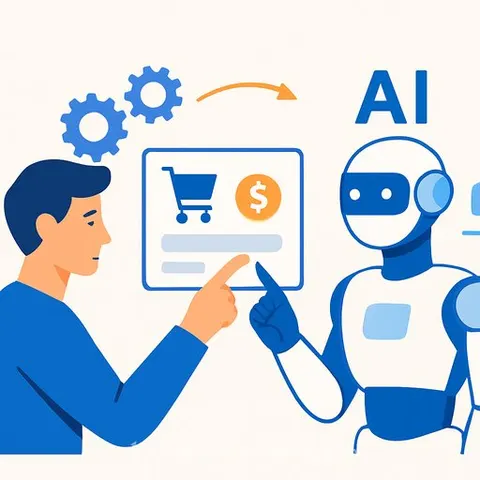
China's AI Agents Show How Commerce Will Work Without Screens
Meituan, China's dominant lifestyle app combining food delivery, reviews, and deals, launched an AI agent in late 2025 that executives describe as an orchestrator plus execution engine-not a chatbot. The distinction matters: users delegate tasks rather than request information.
A customer can say, "Order my usual lunch, but deliver it 20 minutes later today." The agent interprets intent, applies stored preferences, and completes the transaction. Often no screen interaction happens at all.
Delegation, Not Convenience
This model reverses how most companies frame AI assistance. The focus isn't saving time on a single action. It's removing the user from the transaction entirely.
The agent understands context: what "usual" means, why the timing matters, how to route the request through Meituan's network of restaurants and drivers. It executes decisions that previously required multiple steps across multiple interfaces.
What This Means for Strategy
For executives building commerce platforms, the implication is direct. The next phase of competition isn't about better search or faster checkout. It's about agents that anticipate needs and act on them with minimal user input.
Companies that embed execution into their AI agents-rather than stopping at information retrieval-will capture users who value their time more than choice. That's a different business model entirely.
Understanding how these agents work operationally, from intent recognition to transaction completion, is essential for leaders planning product strategy. AI Agents & Automation covers how these systems function in practice. For broader strategic context, AI for Executives & Strategy addresses implementation across organizations.