Coding Agents Move Beyond Basic Tasks, Reshaping Engineer Roles
AI coding agents can now refactor decades-old enterprise code at speeds and scales that traditional teams cannot match, according to Jeetu Patel, president and chief product officer at Cisco. The systems have progressed far beyond their earlier limitations with basic web development work.
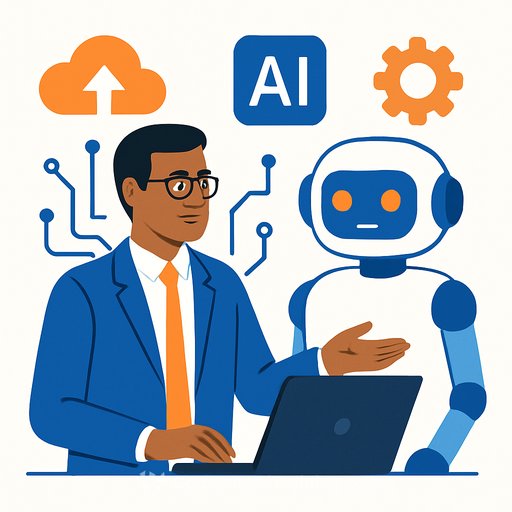
This shift redefines what engineers do. As AI systems write code continuously without human bandwidth constraints, engineers move upstream to direct, review and orchestrate fleets of agents. Organizations that adopt this discipline early will outpace those treating AI as a productivity tool.
"Each one of us, if you're a human, you're going to be a manager of agents," Patel said in an interview at RSAC Conference 2026.
Security and Scale Drive New Infrastructure Needs
Agentic AI increases security risks and requires defenses built for machine scale. Cisco's open-source DefenseClaw project provides a secure container for running agentic workloads at that scale, offering one approach to the infrastructure challenge.
Open-source ecosystems drive faster and safer innovation in AI development, Patel said. The collaborative model accelerates iteration while distributing security review across broader communities.
What This Means for Your Role
The transition from hands-on coding to agent management requires new skills. Teams need to understand how to specify work for agents, evaluate their output and maintain quality across automated systems.
Engineers who build expertise in directing AI agents early will have a competitive advantage. The technical foundation remains important, but the work itself shifts toward orchestration and oversight.
For teams exploring this shift, AI Coding Courses and Generative Code Courses cover the technical foundations of how these systems work and how to work with them effectively.
Your membership also unlocks: