Rethinking learning in the age of AI and technology
2025 forced education to confront a hard truth: information is abundant, attention is scarce, and AI sits in every pocket. Markets may debate whether AI cools off or surges again, but classrooms are already different. The real question is simple-what kind of learning still matters?
If facts are everywhere, teaching only facts makes little sense. Memory drills and recall quizzes feel empty to students who can pull answers from a device in seconds. They want to know what is being tested-and why it matters.
From content delivery to capacity building
The shift is clear: move from sharing information to building the abilities to find, judge, and apply it. That includes knowing when to use AI, how to question results, and how to make better decisions with better inputs. Tools are helpful; judgment is essential.
What to teach now: abilities that stick
- Judgment and ethics: evidence standards, trade-offs, consequences.
- Creativity: produce original work across text, audio, and visuals.
- Digital literacy: prompts with intent, source checks, detection of errors and bias. UNESCO's guidance on AI in education can help frame policy.
- Problem solving: define the problem, test options, iterate.
- Collaboration: clear roles, feedback, conflict resolution.
- Adaptability: learn fast, update beliefs, document learning.
Competing for attention: teach through experience
Design experiences that require action and judgment. Give students problems worth solving, not notes to copy.
- Short case studies, debates, and design sprints.
- Multimodal assignments (text, code, audio, visuals) with choice.
- Public products: exhibitions, briefs, demos, community reports.
Keep curricula relevant as industries change
Industries change fast; curricula can too. Think modular, with frequent small updates instead of rare overhauls. Pair core concepts with current tools and workflows.
- Quarterly review of units with an industry or community advisory group.
- Micro-credentials for emerging tools and methods.
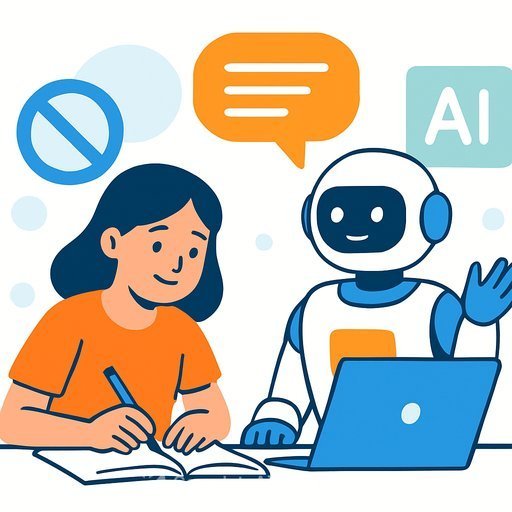
- Clear AI-use policy for students and staff (allowed, encouraged, restricted, prohibited).
Assessment that matches real work
Measure what you value: reasoning, process, and outcomes. Memory has its place, but performance shows learning. Let students use resources-then grade the quality of their decisions and the clarity of their thinking.
- Scenario-based tasks with constraints and messy data.
- Require process logs: prompts used, sources checked, iterations made.
- Blend AI-supported work with oral checks to verify understanding.
- Portfolios that track growth across a term or year.
Social and emotional development is non-negotiable
More students report anxiety, isolation, and pressure. Skills like empathy, self-regulation, and help-seeking are as teachable-and as valuable-as any technical skill. Build them into the timetable, not as an afterthought.
- Weekly advisory circles and peer mentorship.
- Explicit instruction in emotion regulation and healthy digital habits.
- Clear referral pathways and staff training for early support. See WHO guidance on adolescent mental health.
Practical moves for school leaders and faculty
- Replace pure recall quizzes with short performance tasks scored by clear rubrics.
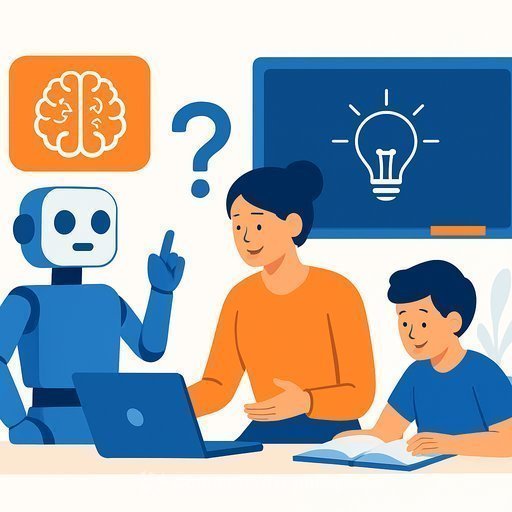
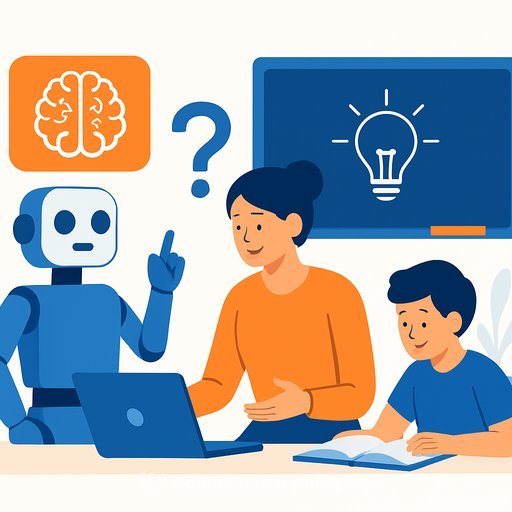
- Use AI as a thinking partner: draft, critique, compare versions, and reflect on differences.
- Teach information triage: define the question, select sources, verify, and cite.
- Assess teamwork, ethics, and communication alongside content outcomes.
- Adopt open-resource assessments where reasoning-not secrecy-drives results.
A 30-60-90 day starter plan
- Next 30 days: Publish an AI-use policy; audit one assessment per course for depth; run a staff session on AI basics (consider curated options by role at Complete AI Training).
- Next 60 days: Redesign one unit with a scenario-based task and a portfolio; pilot one open-resource exam; host a student workshop on source quality and prompt clarity.
- Next 90 days: Update your graduate profile with judgment, creativity, and collaboration; set up an advisory group from local industry/community; formalize SEL routines and track participation.
The way forward
Education sits at a crossroads, but it's a good one. Treat AI and technology as the context, not the goal. Build the human strengths and adaptable skills that carry students through any market cycle-and keep learning relevant, engaging, and useful.
Your membership also unlocks: