Clear rules for AI training on creative works
10.03.2026
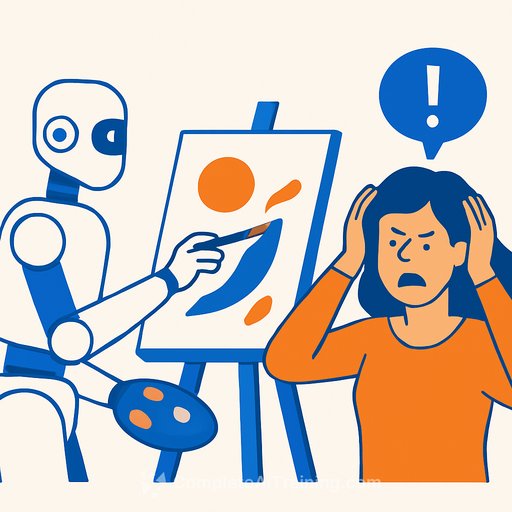
EU lawmakers are pushing for clear copyright rules around generative AI. The goal is simple: protect creators, enable innovation, and remove the grey areas that let AI companies use your work without clarity on consent or compensation.
The message is firm: if copyrighted works are used to train AI systems, creators deserve transparency, legal certainty, and fair pay. Innovation and copyright can coexist-if the rules are clear and enforceable.
What's on the table
- Creators should be able to authorise the use of their works for AI training through a structured licensing market.
- Transparency about what goes into training sets, alongside fair compensation when copyrighted material is used.
- Same rules for all AI providers on the EU market, regardless of where the training happened.
- Clear, enforceable standards so Europe can push tech forward without eroding intellectual property.
Why this matters to creatives
Your art, writing, music, design, and footage fuel these models. Without rules, your catalog becomes "free training data" by default. With rules, you gain leverage-consent, terms, and payment.
Expect more licensing avenues, more disclosure from AI companies, and a stronger position when you set how your work can be used.
What to do now
- Decide your stance: what are you open to licensing for training, and what's off-limits?
- Use machine-readable signals where appropriate (robots.txt, meta tags, or headers) to reserve rights for text and data mining under the EU DSM Directive (2019/790). Check your CMS and hosting setup to implement this correctly.
- Add provenance/usage metadata to your files and publishing flow. Standards like the C2PA provenance standard help you assert authorship and usage terms.
- Review your contracts and platform settings. Specify whether AI training is allowed, under what scope (training vs fine-tuning), and at what rates.
- If you license, define the terms: duration, territory, model types, attribution, audit rights, and revenue sharing. Keep it specific.
- Ask vendors hard questions: data sources, opt-out paths, model cards, and how they handle take-downs and payouts.
- Keep an audit trail of your works, hashes, and licenses. You'll need it for claims and negotiations.
What to watch next
The European Commission is being urged to operationalise this: practical consent mechanisms, standardised licensing, and enforcement that covers any AI system sold in the EU. Expect movement on dataset transparency, rights management infrastructure, and clearer signals for opt-in/opt-out.
Resources
This article is informational and not legal advice. For specific cases, consult an IP professional in your country.
Your membership also unlocks: