Coca-Cola CEO Steps Down as Company Prioritizes AI Strategy
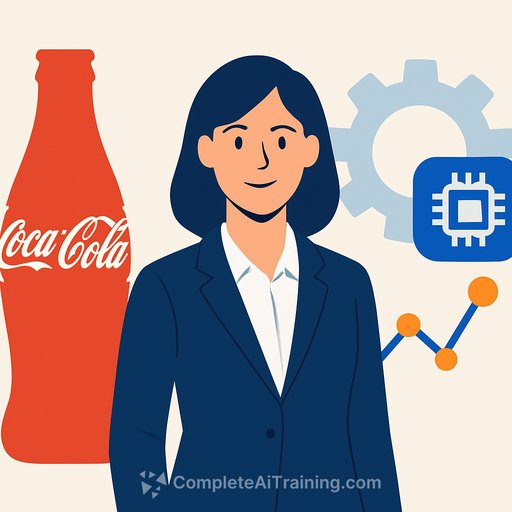
James Quincey is stepping down as Coca-Cola's CEO effective March 31, with Henrique Braun taking the role. The leadership change reflects the company's decision to prioritize artificial intelligence across supply chains, marketing, and customer service operations.
Quincey's departure signals a broader shift in corporate leadership. Companies are moving executives with deep AI expertise into top roles to drive strategic transformation. Coca-Cola joins Walmart and other large retailers making similar moves.
How Coca-Cola Plans to Deploy AI
The company is integrating generative AI into marketing campaigns and using data modeling for product development. AI tools will optimize supply chain operations, a critical area for cost control and delivery speed in the beverage industry.
Coca-Cola is also pursuing AI partnerships to expand these capabilities. The focus extends to customer-facing applications, where personalization and operational efficiency directly affect competitive positioning.
What This Means for Operations and Strategy
For executives overseeing similar transformations, Coca-Cola's approach offers practical lessons. The company is embedding AI into core operations rather than treating it as a separate initiative. This requires aligning supply chain, marketing, and product teams around AI-driven workflows.
Investors should monitor how the leadership transition affects operational metrics: supply chain costs, customer satisfaction scores, and market share. The beverage industry is competitive, and companies that execute AI integration faster may gain measurable advantages.
Retail and consumer goods companies across the sector are making comparable bets. Walmart's similar leadership shift suggests this is not an isolated decision but a pattern reflecting how boards now view AI capability.
What Executives Should Consider
Organizations planning AI adoption should examine whether current leadership has the technical foundation to oversee implementation. Technical knowledge matters less than understanding how AI changes operations, timelines, and resource allocation.
Learn more about AI for Executives & Strategy and AI for Operations to understand how companies structure these transformations.
Disclaimer: This article reflects analysis of publicly available information and does not constitute investment advice.
Your membership also unlocks: