Cognitive Debt: How AI Affects Our Learning and Creativity
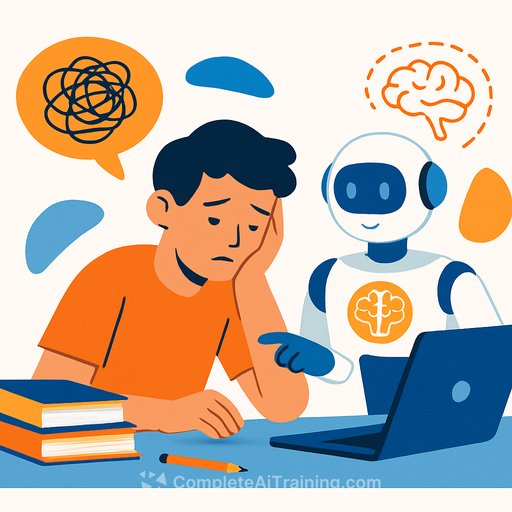
A recent study from MIT confirms what many educators have observed firsthand: relying passively on artificial intelligence can lead to a decline in brain activity. The researchers coined the term “cognitive debt” to describe the diminished mental effort seen in individuals who use AI tools like ChatGPT to write texts. Their findings reveal that those who depend heavily on AI not only forget information faster but also think less deeply and produce work that lacks creativity and personal touch.
For teachers and trainers, this isn’t a surprise. Students increasingly treat AI as a shortcut—a tool that completes tasks for them rather than helping them explore ideas or develop critical thinking. Homework and assignments start to look alike, stripped of original thought and reduced to polished, copy-pasted content. This trend raises concerns about the erosion of genuine learning and investigative curiosity.
AI as a Disengagement Tool
The accusation that someone used ChatGPT to complete an assignment has become a sensitive, almost taboo topic. Yet, AI is often used as a way to avoid effort rather than to build knowledge. This echoes past experiences with other technologies: television once shifted from educating to entertaining, and smartphones, even more powerful, have become major distractions when misused.
AI is now the latest tool that, while powerful and adaptable, can disguise itself as a helpful ally. It makes work feel easier and more efficient, but this convenience risks turning off the brain’s active engagement.
Recognizing the Cycle
This pattern repeats itself with every new technology. Early critics sound alarms, early adopters get excited, usage explodes, and regulation lags behind. Schools then face pressure to deliver education quickly and cheaply, often becoming the sole target for blame when critical thinking declines.
The responsibility of schools is clear but complex. It’s not just about teachers learning AI tools; it’s about creating environments that encourage curiosity, precision, and genuine effort. Schools must balance openness with selectivity—welcoming all students while maintaining standards that challenge them.
Rethinking AI’s Role in Education
For AI to be a true ally in learning, it must support thinking, not replace it. This means shifting how AI is integrated into classrooms. The solution won’t come from quick courses on “prompt engineering” alone, but from engaging teaching led by motivated educators working in supportive conditions.
Now that science backs up these concerns, it’s time to act. AI should be a tool that starts with human input and creativity, not one that sidelines them.
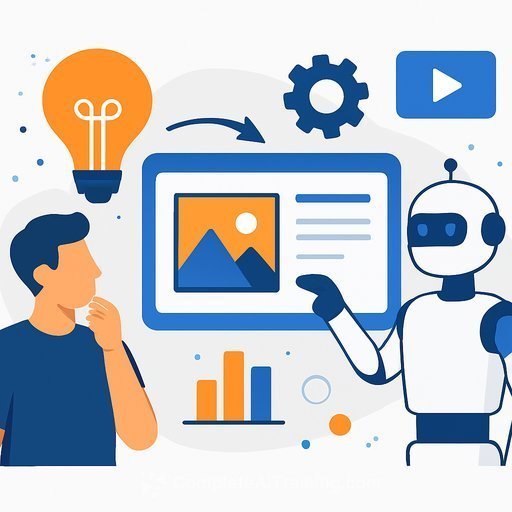
- Encourage AI use as a brainstorming partner, not a writer
- Design assignments that require personal reflection and analysis
- Train educators to integrate AI thoughtfully into their teaching
For creatives looking to work effectively with AI tools while keeping their minds sharp, exploring well-structured AI courses can help develop the right skills and mindset. Check out Complete AI Training’s latest AI courses for practical guidance on using AI as a creative partner rather than a crutch.
Ultimately, the future of learning with AI depends on us—how we choose to engage with the technology, how we teach others to do the same, and how we protect the human spark of creativity and critical thinking.
Your membership also unlocks: