Coinbase's CEO Turns AI Into a Second Brain for the C-Suite
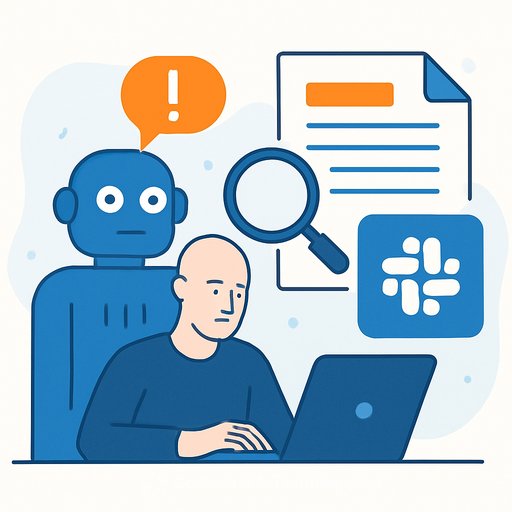
Coinbase CEO Brian Armstrong says he now runs the company with an internal, self-hosted AI system wired into core data sources. It ingests Slack messages, Google Docs, Salesforce, and Confluence, then answers questions, flags issues, and offers strategic advice. The result: AI isn't just drafting memos-it's participating in executive decisions.
This points to a real shift. AI is moving from task automation to executive leverage, accelerating the timeline for what parts of leadership can be augmented-or even replaced-by machines.
What Armstrong Built
Over the past year, Coinbase deployed self-hosted AI models that integrate company-wide data. Armstrong describes it as an internal "CEO" you can query: every team can ask questions and get context-aware answers. By connecting communications and documents across the org, the system surfaces patterns and disagreements that don't make it up the chain. Teams in legal and finance use it, not just product and engineering.
From Prompts to Reverse Prompting
Armstrong shifted from "help me write this memo" to "What am I missing?" The AI scans discussions and documents, then proactively highlights blind spots-for example, a hidden strategy disagreement between teams. This is the key change: AI moves from passive helper to active advisor, reducing the cost of organizational truth.
He credits the concept of "reverse prompting" to Tobi Lütke: instead of telling AI what to do, ask it what you should think more about. The model pushes insights to the top, without the typical delays of hierarchy.
AI as a Coach for Executive Time
Armstrong also uses AI to audit how he spends time. It compares intended allocation to reality-"you targeted 20%, but actually spent 32% here"-and asks what changed his mind most over the past year. Think of it as a constant feedback loop for focus and judgment.
Why This Matters for Executives
- Information symmetry: leadership sees what actually happens, not just what gets reported up.
- Faster decisions: fewer meetings, more context in one place.
- Cultural clarity: dissent and misalignment are visible and addressable.
- Better focus: time and attention become measurable and adjustable.
- Real risks: privacy, security, model bias, and compliance need guardrails.
How to Pilot This in 90 Days
- Map data and permissions: identify Slack, Docs, ticketing, CRM; enforce role-based access and least privilege.
- Start with retrieval over a self-hosted model: index Slack/Docs/Confluence/CRM; log every query and response.
- Define executive use cases: surface disagreements, detect churn-risk accounts, produce weekly roll-ups, analyze calendar/time.
- Set proactive alerts: "Flag misaligned OKRs," "Notify me if time on support > X%," "Highlight unresolved policy exceptions."
- Establish governance: access reviews, audit trails, red-teaming, and approval flows for sensitive data.
- Communicate the why: clarify benefits and privacy boundaries; appoint an "AI ops" owner.
- Measure impact: decision cycle time, duplicate meetings removed, percent of time on strategy vs. operations.
Prompts You Can Use Right Now
- "What strategic disagreements exist between teams that haven't been resolved? Cite sources."
- "Where are projects blocked for more than 14 days? Who owns the unblock?"
- "What themes drove the most customer escalations this quarter?"
- "Compare my planned vs. actual time allocation last quarter. Recommend changes."
- "What decisions this year did I reverse, and why? Provide links to discussions."
Governance and Risk You Can't Ignore
- Access boundaries: keep private channels and sensitive docs out unless explicitly approved; mask PII by default.
- Security posture: self-host models where necessary; isolate embeddings; monitor exfiltration.
- Quality control: require citations for sensitive answers; use human review for legal, regulatory, and HR topics.
- Compliance: align with frameworks like the NIST AI Risk Management Framework and clarify accountability for AI-assisted decisions.
- Change management: state what the AI can and can't do; set norms for how insights are used.
What This Signals
The C-suite is moving from dashboards to dialog. Executives who wire AI into their company's knowledge flows will spot misalignment earlier, decide faster, and spend time where it matters.
Resources
- For governance context at the global level, see the World Economic Forum's work on AI policy and principles: WEF: AI Governance.
- Want structured upskilling for leadership and ops teams? Explore role-based programs like the AI Learning Path for CIOs, the AI Learning Path for Vice Presidents of Finance, or the AI Learning Path for Regulatory Affairs Specialists.
Your membership also unlocks: