Columbia Law School Launches Technical AI Course for Legal Professionals
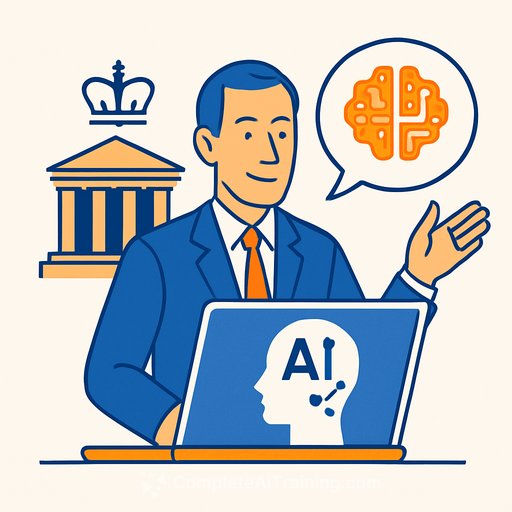
Columbia Law School is offering a new course designed to teach lawyers how AI systems actually work-knowledge increasingly necessary as regulators and courts grapple with these technologies. Michel Paradis, a partner at Steptoe, leads the course.
The course addresses a gap in legal education. Lawyers are handling AI-related litigation and compliance matters without necessarily understanding the technical foundations of the systems involved.
Paradis structured the course to move beyond legal frameworks. Students learn how AI systems function, what their limitations are, and where technical failures create legal exposure.
Why This Matters for Legal Practice
AI regulation is accelerating. The EU's AI Act, sectoral rules in the U.S., and emerging case law all require lawyers to evaluate AI systems critically. That evaluation is difficult without understanding what's under the hood.
Contract review, due diligence, and regulatory compliance increasingly involve AI systems. Lawyers who understand how these systems work can spot risks that purely legal analysis misses.
The course also prepares lawyers for expert witness work and litigation where technical details become central to the case.
Building Technical Literacy in Law
The course is part of a broader shift in legal education. Law schools are recognizing that technical literacy is no longer optional for certain practice areas.
For lawyers already in practice, resources like AI for Legal professionals and AI Learning Path for Paralegals offer ways to build technical understanding alongside legal expertise.
Understanding AI systems helps legal teams evaluate tools they're considering for their own practices-from document automation to contract analysis-with realistic expectations about capabilities and risks.
Your membership also unlocks: