Commerce Department Pulls Planned AI Chip Export Rule: What Government Teams Need to Know Now
The U.S. Department of Commerce has withdrawn a planned rule on AI chip exports, according to a government posting. The draft had been circulating for interagency feedback since late February. No reason for the withdrawal was provided, and the department did not immediately comment.
The rule, titled "AI Action Plan Implementation," appeared on the Office of Information and Regulatory Affairs site on Feb. 26 as "pending review" before being pulled. The move is the latest reversal in an effort to replace the Biden administration's January 2025 framework for exporting advanced AI chips.
How this proposal differed from the Biden-era framework
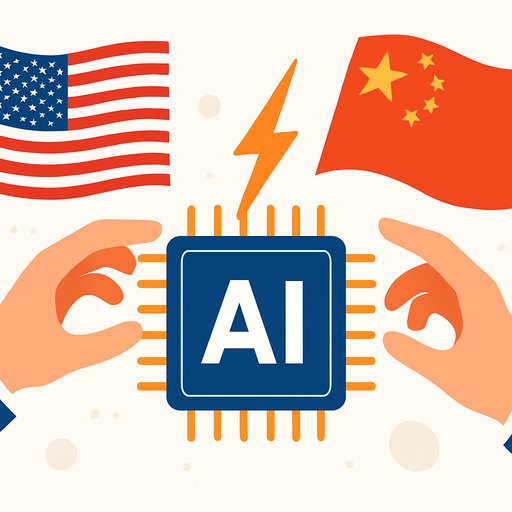
The withdrawn plan reportedly considered forcing foreign governments to either invest in U.S. data centers or offer security guarantees as a condition for granting exports of 200,000 chips or more. That would have been a sharp break from the Biden approach, which exempted close allies from most restrictions and divided countries into three tiers.
The earlier Biden rule capped a multi-year project to limit China's access to high-end chips while keeping U.S. leadership in AI. On March 5, Commerce said on X that new rules were being debated and would not mirror what it called a "burdensome, overreaching, and disastrous" prior framework. People familiar with the draft, however, described it as burdensome in practice. A former official suggested the withdrawal reflects internal disagreement on how to balance AI leadership with national security.
Why it matters for public-sector leaders
- Policy uncertainty: Export licensing, exemptions for allies, and thresholds could shift again, complicating agency planning and industry guidance.
- Allied coordination: Any departure from ally exemptions risks friction with partners that co-invest in AI infrastructure and research.
- Data center implications: Tying export approvals to foreign investments or security guarantees would add new negotiating layers for large-scale deployments.
- Enforcement and compliance: Agencies may face mixed signals on enforcement priorities until a new proposal is posted and finalized.
Immediate actions to keep programs on track
- Brief leadership: Summarize the withdrawal, likely alternatives, and operational risks for grants, procurements, and research partnerships.
- Stabilize guidance: Issue an interim memo to stakeholders reaffirming that existing rules remain in effect until a replacement is finalized.
- Inventory exposure: Identify projects that depend on large volumes of AI accelerators (near or above 200,000 units) and flag cross-border elements.
- Scenario plan with counsel: Map outcomes for stricter thresholds, ally carve-outs, and new investment or security conditions tied to approvals.
- Strengthen allied channels: Prepare talking points for counterparts on status quo rules, timelines, and how you'll share updates.
- Track the docket: Monitor OIRA for any reposted rule and comment windows; pre-draft technical and economic impact input.
What to watch next
- New posting at OIRA: Notice of proposed rulemaking vs. interim final rule, and the length of any comment period.
- Definitions and scope: Whether thresholds count chips, compute capacity, or data center modules; treatment of accelerators vs. full systems.
- Allied treatment: Whether close partners regain exemptions or face new conditions.
- Compliance mechanics: Reporting requirements, license timelines, and any extraterritorial elements affecting global supply chains.
- Transition rules: Grace periods for existing contracts, research collaborations, and federally funded projects.
For official updates, monitor the Office of Information and Regulatory Affairs (OIRA) and the Commerce Department's Bureau of Industry and Security (BIS).
If you're responsible for policy development or oversight, this AI Learning Path for Policy Makers can help structure briefings, stakeholder input, and impact analysis for upcoming export-control proposals.
Your membership also unlocks: