
AI news ·
Commonwealth Short Story Prize winner accused of using AI to write his entry
A Commonwealth Short Story Prize regional winner faces accusations that AI wrote his submission after Granta tested it and called it "almost certainly not produced unaided by a human." The author has not responded.
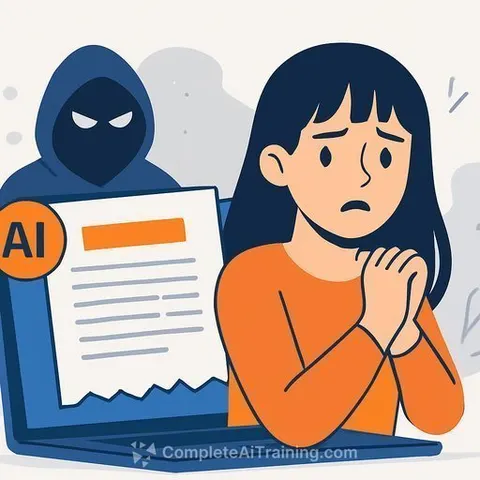
Prize-Winning Story Accused of AI Authorship Stokes Fear Across Literary World
A regional winner of the Commonwealth Short Story Prize faces accusations that artificial intelligence wrote his award-winning submission. Author Jamir Nazir's story, The Serpent in the Grove, drew scrutiny after literary magazine Granta tested the text using Claude.ai and concluded it was "almost certainly not produced unaided by a human."
Nazir has not yet responded to the allegations. Granta's publisher Sigrid Rausing said the magazine may have inadvertently awarded a prize to "an instance of AI plagiarism - we don't yet know, and perhaps we never will know."
The accusation has triggered broader anxiety among writers about AI for Writers and detection. Writers now worry their own work will be questioned, creating what some describe as a "cop mentality" where the literary community watches each other for signs of machine-generated text.
The Human Connection Remains Irreplaceable
Writers point to what separates human authorship from AI output: the intentional relationship between author and reader. That connection cannot be replicated by Generative AI and LLM systems, which have no motivation to build community or meaning with an audience.
The emotional toll is real for writers considering their careers. But as one author noted, meeting readers in person, building a body of work, and sustaining a writing life are things AI cannot do.
What Writers Need Now
The literary community faces a choice: succumb to suspicion or build collective resistance. Writers say three things matter most:
- Understanding how LLMs work and improve - naive assumptions about AI's limitations are no longer viable
- Refusing to weaponize suspicion - writers already manage characters, plotting, and craft without adding surveillance of each other's authenticity
- Reconnecting with community - the writing world needs solidarity now more than ever
The stakes are practical. Writers cannot focus on their craft if they're constantly defending against accusations of AI use. The literary community must establish shared norms and transparency about detection methods rather than letting paranoia corrode the profession from within.