AI in 2026: Technical Wins First, Consumer Rollouts Later
AI adoption is about to get more pragmatic. Expect heavier investment in engineering-focused use cases, while consumer-facing AI slows as teams tighten risk controls and address infrastructure gaps.
The headline: AI agents will accelerate software delivery, but the customer experience won't see sweeping AI changes until reliability and governance catch up.
Development will lead, consumer use will lag
Engineering orgs are doubling down on AI for the SDLC. Teams are pairing developers with AI agents to write tests, generate code, and triage issues. The developer role shifts from "author" to "coach," directing and validating AI outputs.
Customer-facing sectors-banking, healthcare, retail-will move slower. Even small AI mistakes carry regulatory and reputational risk that's hard to justify at scale.
"Enterprises will continue expanding AI's role in the SDLC before bringing it to end-user products, with an emphasis on the need for AI-driven workflows that are reliable, consistent, and safe, before public release," said Rob Mason, CTO, Applause.
MCP will connect agents, tools, and platforms
The Model Context Protocol (MCP) is set to become the common layer for how AI agents talk to tools, apps, and the web. Think of it like APIs-for agents. Optimizing your digital platform for MCP could soon matter as much as building a clean REST or GraphQL interface.
Mason expects MCP to become "the connective tissue" between agents and systems. That implies a future where human and agent access to company content should be equally straightforward.
- Audit internal tools for MCP readiness (auth, permissions, rate limits).
- Standardize metadata and content access so agents can fetch context safely.
- Plan for observability across agent-to-tool interactions.
Strategy: less "AI-for-marketing," more measurable outcomes
The rush to bolt generic AI features onto products is slowing. Teams have learned that unnecessary AI can inflate scope, break QA workflows, and erode reliability.
"The next phase of AI maturity will prioritize meaningful, use-case-specific integration, deploying AI only where it adds measurable value or opens new capabilities," Mason said.
- Define clear success metrics before shipping AI features (quality, time saved, incidents avoided).
- Ship narrow features that solve one job well instead of broad assistants that try to do everything.
- Gate consumer features behind internal dogfooding and staged rollouts.
Infrastructure: the real bottleneck
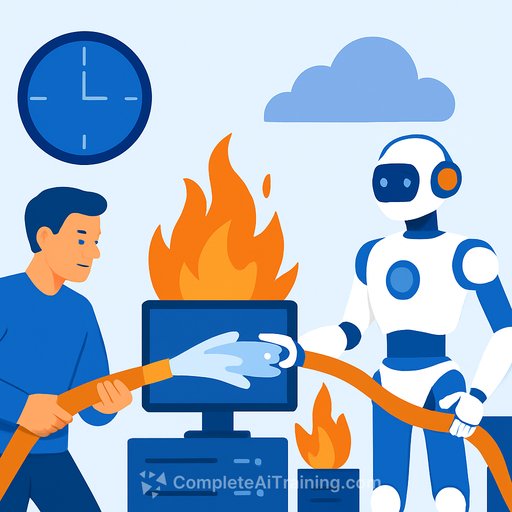
Teams can design and code AI solutions fast. Getting them into production is the sticking point. Legacy systems, manual release gates, and slow QA cycles stall promising AI pilots.
"These dated processes are hampering production and impacting quality - even the biggest brands have been affected," said Adonis Celestine, Senior Director and Automation Practise Lead, Applause.
Expect heavier investment in cloud-native pipelines throughout 2026. With the right platform work, deploy times drop from weeks to hours-if test and validation practices are rebuilt for speed.
- Adopt ephemeral test environments and policy-as-code for faster, safer releases.
- Automate model and agent evaluations in CI (hallucination rate, safety checks, latency, cost).
- Instrument everything: prompts, tool calls, failures, drift, and user feedback loops.
Security takes center stage as LLM use spreads
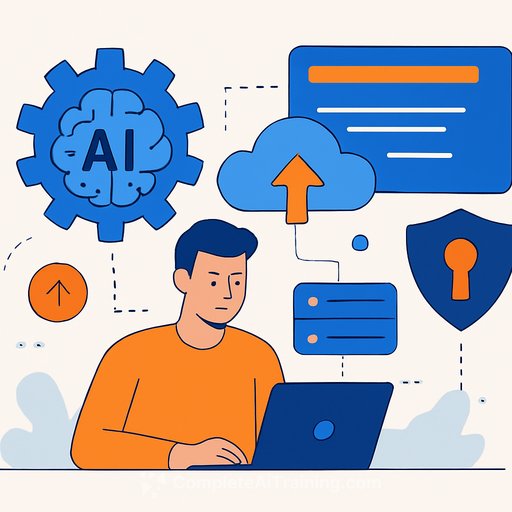
As LLMs embed into finance, marketing, and HR stacks, oversight must get tighter. You need full visibility into which models are in use, where data flows, and how prompts, tools, and outputs are controlled.
"An organisation's AI apps, agents and services - some of which are handling extremely sensitive, high-stakes data - are only as secure and reliable as their underlying LLMs. But, how do you assess the resilience, reliability and scalability of an LLM or multiple LLMs?" Celestine said.
- Centralize LLM inventory, access policies, and audit logs.
- Run adversarial testing and red teaming against prompts, tools, and retrieval layers.
- Benchmark models per domain with domain experts and dedicated QA-not just generic leaderboards.
OWASP Top 10 for LLM Applications
Action plan for engineering leaders (next 90 days)
- Pick 2-3 SDLC use cases for AI agents (test generation, regression triage, code review assistants). Measure cycle time, defect rates, and rework.
- Stand up MCP pilots across one internal tool and one external API. Validate auth, rate limits, and observability.
- Refactor release paths for AI features: pre-prod eval suites, safety gates, and staged rollouts with kill switches.
- Create an LLM governance board with security, legal, and QA. Approve models, data access, and usage patterns.
- Modernize CI/CD to support daily AI updates: feature flags, shadow deployments, and automated evals on every merge.
Bottom line
2026 will favor teams that make AI boring-in a good way. Tight loops, clear metrics, strong guardrails, and shipping discipline will beat flashy demos.
Get the plumbing right, then scale to consumer experiences with confidence.
If you're building AI skills for engineering teams, see practical training paths here: AI Certification for Coding.
Your membership also unlocks: