CoreWeave's Mega AI Deals vs. Securities Suits: A Legal Briefing for Counsel
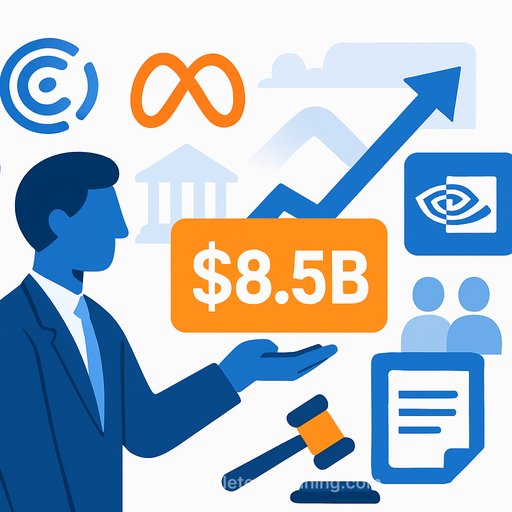
CoreWeave (NasdaqGS:CRWV) is syndicating a reported US$8.5b loan backed by long-term contracts with Meta said to be worth over US$14b. Nvidia is renewing a multibillion-dollar equity commitment tied to new AI data center buildouts. At the same time, securities fraud class actions claim misstatements around infrastructure risks and capacity constraints. If you advise lenders, counterparties, or the company itself, this mix of contract-backed financing and litigation deserves tight controls.
Deal snapshot
- US$8.5b loan reportedly supported by Meta contracts over US$14b.
- Nvidia renewing a multibillion equity stake linked to data center expansion.
- CoreWeave positions as a specialized GPU cloud provider for large AI workloads.
- Legal and reputational risk may influence banks, partners, and customers as terms surface.
Key issues counsel should triage
- Securities class actions: Claims center on alleged misstatements or omissions about capacity and infrastructure risk. Assess materiality, scienter, and loss causation under Rule 10b-5. Expect a PSLRA discovery stay pending motions to dismiss, and pressure on D&O limits and Side A/B/C coverage. 17 C.F.R. § 240.10b-5 | PSLRA overview
- Contract risk with Meta and other hyperscalers: Scrub termination-for-convenience, volume commitments, take-or-pay, step-in rights, assignability, change-of-control, and price indexation. Validate SLAs, service credits, liquidated damages, and force majeure scope (e.g., GPU supply constraints, utility delays).
- Financing structure: For the US$8.5b syndication, examine collateral (receivables, contract rights, equipment), negative pledge, intercreditor terms, cash sweeps, build milestones, equity cure rights, and MAC definitions tied to supply chain or litigation outcomes. Confirm borrower entity ring-fencing and any SPV or non-recourse design.
- Disclosure controls: Tighten Reg FD controls, escalation paths, and documentation for forward-looking statements. Sync risk factor updates with any new capacity, construction, or supply constraints disclosed to lenders or customers.
- Competition/vertical issues: Nvidia's equity position plus potential preferential allocation of GPUs can raise vertical foreclosure or MFN concerns. Review exclusivity, most-favored terms, information-sharing protocols, and any triggers that could draw antitrust scrutiny.
- Operational dependencies: Track construction risk, interconnection timelines, utility availability, and vendor SLAs. Map which risks are pushed down to contractors vs. retained by CoreWeave.
Practical checklist for in-house and deal counsel
- Reconcile loan covenants with customer SLAs to avoid default cascades if capacity slips.
- Confirm consent requirements for collateral assignments and step-in rights under the Meta contracts.
- Stress-test liquidity: ramp schedules, prepayments, and deposit structures vs. capex draw timing.
- Review disclosure committee cadence; align lender presentations with public filings.
- Refresh insider trading and blackout policies during litigation and financing milestones.
- Run an antitrust scrub on any exclusivity, output, or allocation terms tied to Nvidia.
- Audit incident reporting and uptime tracking; plaintiffs will target outage narratives and capacity shortfalls.
- Reassess D&O program limits, retentions, and tower structure ahead of class action milestones.
Market snapshot (context, not advice)
- Share price: US$98.01 (about 23% below a US$126.37 analyst target).
- Valuation check: trading ~11.2% above one fair-value estimate.
- Momentum: 30-day return roughly flat at -0.3%.
What could move legal risk next
- Public details on the US$8.5b loan: covenants, collateral, pricing, amortization, and milestones.
- Any disclosed amendments to Meta or Nvidia agreements, including delivery schedules or pricing.
- Motion to dismiss outcomes, class certification, or settlement overtures in the securities suits.
- Capacity deliveries vs. SLA metrics; major incident reports or data center delays.
- Insurance coverage positions and reservation-of-rights letters in the class actions.
Litigation support: evidence map to lock down now
- Hold notices across email, Slack/Teams, tickets, engineering docs, and construction logs.
- GPU allocation plans, vendor correspondence, and procurement forecasts.
- Board and committee minutes on capacity, financing, and material risks.
- SLA reports, uptime dashboards, incident postmortems, and customer credit memos.
- Public statements, investor decks, and lender materials that speak to capacity or risk.
Helpful resources
- AI for Legal - tools and workflows for contract review, discovery, and compliance.
- AI Learning Path for Paralegals - practical methods for large-scale document review in class actions.
This article is general information, not legal or investment advice.
Get Daily AI News
Your membership also unlocks:
700+ AI Courses
700+ Certifications
Personalized AI Learning Plan
6500+ AI Tools (no Ads)
Daily AI News by job industry (no Ads)