
AI news ·
Courts expand AI liability to vendors and consultants as legal protections erode
AI vendors face growing legal liability for harm caused by their systems, as courts erode protections that once shielded them. Healthcare, finance, and employment sectors are seeing the most cases.
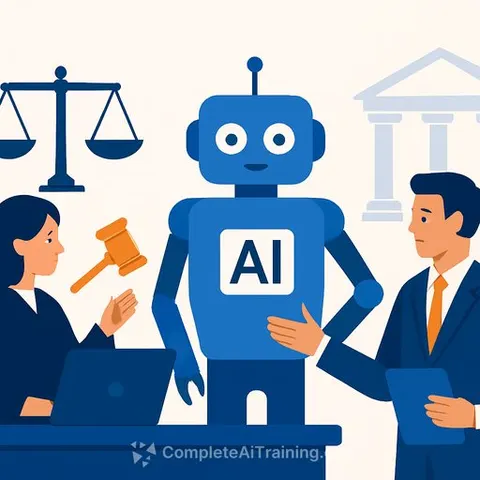
Courts Are Holding AI Vendors Accountable for Harm
Companies that sell or implement AI systems are increasingly facing lawsuits for decisions made by the technology, eroding the legal protections that once shielded vendors and consultants from liability.
Elizabeth Carter, a litigation partner at Hogan Lovells, said courts are beginning to hold third parties responsible for AI-driven outcomes. Historically, consultants could argue they simply provided advice while clients made the final decision. That distinction no longer holds when AI systems drive operational or consumer-facing choices.
"Plaintiffs are increasingly looking to vendors and third parties to take account for responsibility for any harm resulting from a product or from advice," Carter said.
Where the Shift Is Most Visible
The change is most pronounced in regulated industries. Healthcare, financial services, and employment decisions-areas where AI now influences choices once made exclusively by humans-are seeing the most litigation activity.
State regulators are reinforcing this trend. New AI regulations require greater human oversight and accountability, pushing liability questions into law and policy.
How Companies Are Responding
Enterprises are tightening vendor selection. Risk managers and legal teams are asking detailed questions about training data, model development, and potential bias before signing contracts.
Contract language is shifting too. Companies are strengthening representations, warranties, and indemnification clauses to better allocate risk between themselves and vendors.
What Legal Teams Should Do Now
Vendor due diligence has become essential. Legal and procurement teams need to understand how AI systems work, what data trains them, and where bias might emerge.
Contract negotiation matters more than ever. Clear language about who bears liability for harmful outcomes protects both parties and sets realistic expectations about what the technology can do.
For legal professionals managing AI risk, AI for Legal resources address liability frameworks and vendor evaluation. Those handling contract analysis and document review may find the AI Learning Path for Paralegals relevant to understanding how AI systems function in vendor agreements.