Creators Push 'Human-Made' Labels as AI Content Floods Internet
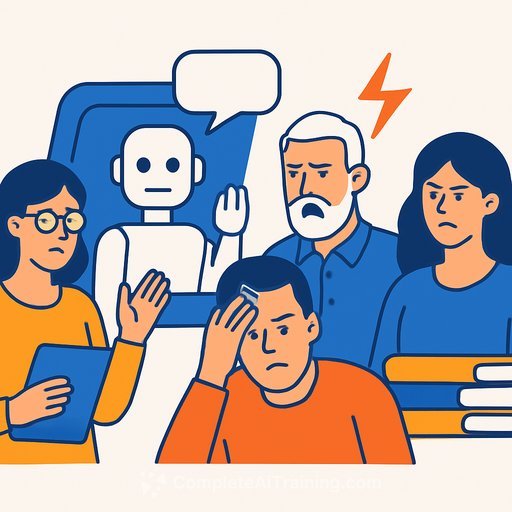
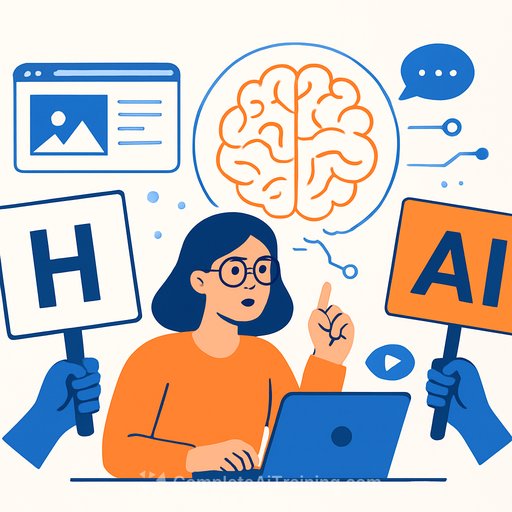
Audiences increasingly cannot tell what is made by humans and what is generated by artificial intelligence. The phrase "this looks like AI" has become common online-a sign that users now doubt the authenticity of digital content.
Some creators and industry figures are responding with a proposal: labels that certify content as human-made, similar to Fair Trade or Organic certifications on physical goods.
Instagram Head Adam Mosseri suggested that verifying authentic content would work better than trying to detect AI, since current technology makes it difficult to identify artificial intelligence output reliably.
Existing Standards Fall Short
The C2PA standard was designed to provide content credentials and verify origins. Despite backing from major tech companies, its impact has been limited. Some creators and platforms have little incentive to disclose AI involvement.
In the absence of a universal standard, alternatives have emerged. Projects like Not by AI, Proudly Human, and Made by Human attempt to certify content across writing, art, video, and music.
These solutions face a credibility problem. Some rely on self-reporting. Others use manual verification or AI detection tools, which are often unreliable. Proving something is entirely human-made sometimes requires labor-intensive processes like reviewing drafts, sketches, or creative workflows.
The Definition Problem
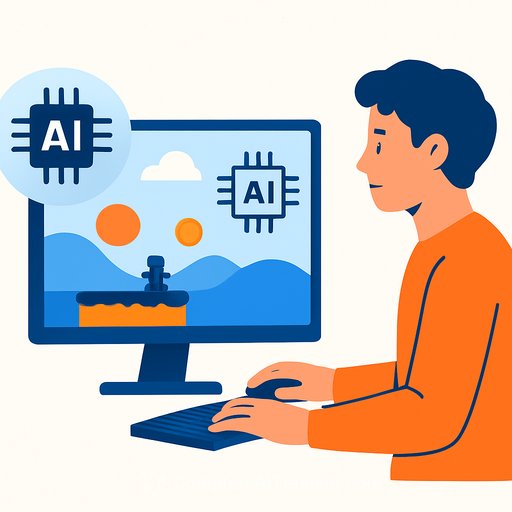
The boundaries of "human-made" are becoming harder to establish. AI tools embedded in standard creative software mean designers cannot always distinguish between human input and machine assistance.
Experts predict we have entered a period of hybrid content creation that combines human artistic development with machine support. Three essential questions now arise: When a creator uses AI for idea development but executes work manually, is it human-made? How do you prove it? What counts as authentic?
Some emerging solutions are turning to blockchain technology to track and verify a creator's work history. Advocates argue this provides a more reliable method for establishing authenticity through digital certificates and transparent verification processes.
For creatives navigating AI, the pressure to prove authenticity is now immediate and practical. Understanding both generative art and how to document your own work has become part of the job.
Your membership also unlocks: