Data Center Boom Built on Uncertain Foundations
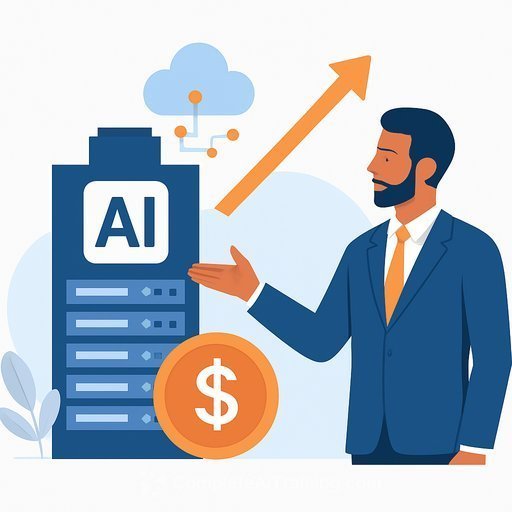
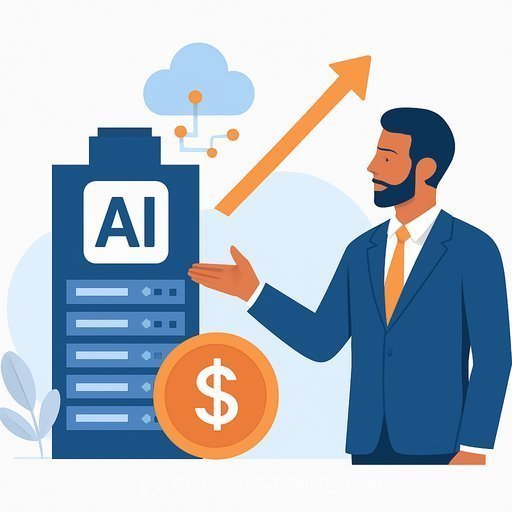
Billions are flowing into data center construction across the country, driven by demand for AI computing infrastructure. Vacancy rates have dropped sharply in major markets, with companies pre-leasing capacity years in advance. The investment momentum reflects confidence that AI-driven demand will sustain for decades.
But that confidence masks a growing problem: capital is concentrating faster than fundamentals can support it. Some investors are buying land and securing power contracts without operators lined up-a sign of fear of missing out rather than careful analysis.
Technology Moves Faster Than Buildings
The real risk isn't that AI demand disappears. It's that the scale, timing, or form of that demand shifts faster than data centers can be built and adapted.
AI chip lifecycles are shortening. Computing architectures change year to year. Deployment strategies that made sense when a project was greenlit might look outdated by the time it opens. A facility designed for one generation of processors could become less valuable if the industry moves in a different direction.
Where the Losses Would Show Up
If expectations prove too aggressive, the fallout won't necessarily mean empty buildings. Instead, investors would likely see lower returns than projected, stranded land plays that don't attract operators, or debt structures under pressure as cash flows underperform underwriting assumptions.
The central question is whether current leasing momentum reflects genuine long-term demand or a moment of market overconfidence. That tension appears whenever real estate chases a fast-moving technology shift. History suggests both scenarios happen-sometimes simultaneously in different markets.
Your membership also unlocks: