Delaware healthcare groups back HB 191: AI is not a clinician
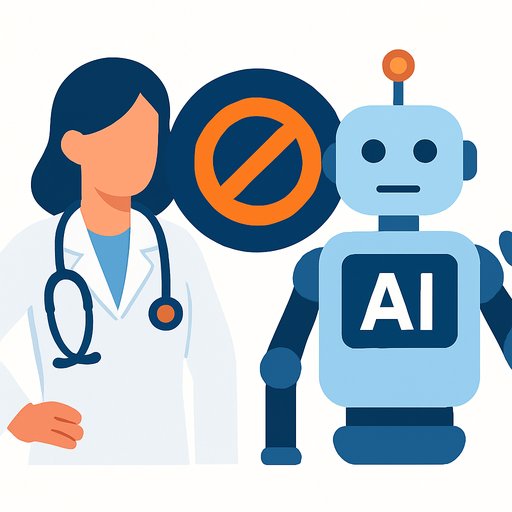
Delaware's House Bill 191 draws a clear line: artificial intelligence cannot be licensed as a nurse, APRN, practical nurse, physician, or physician assistant. It also bars AI systems from using those professional titles. The bill moved out of House committee and passed the House floor with 38 yes votes and 3 absent.
The measure now sits with the Senate Legislative Oversight & Sunset Committee. It's designed to support safe use of AI in care settings without blurring who is accountable for clinical decisions.
What HB 191 actually does
- Protects licensure integrity: AI systems cannot hold or imply clinical licenses or titles.
- Preserves clinician authority: AI can assist, but it cannot replace licensed caregivers.
- Leaves room for practical use: Administrative and supportive tasks remain on the table.
Why providers and associations support it
Delaware Healthcare Association members, including ChristianaCare and Nemours Children's Health, backed the bill. They see AI helping with paperwork and operational tasks, freeing clinicians to spend more time with patients-while keeping care decisions with licensed professionals.
"We hope that artificial intelligence can make it so that you have more human touch, because clinicians have to spend less time doing administrative tasks," said DHA's Brian Frazee, who serves on the state's AI regulation subcommittee. He noted the federal government has been slow to regulate, leaving states to set guardrails.
Nemours' external communications representative Kristen Dwyer called the bill a safeguard for more than three thousand licensed medical providers: "At a time of rapid technological change, (HB 191) reinforces that technology must support but cannot replace the essential role of licensed caregivers in patient care."
Delaware Nurses Association executive director Christopher Otto emphasized transparency. Patients should know when they're engaging with an automated system versus a licensed professional, especially when receiving health advice or education.
The Delaware Healthcare Facilities Association and the Professional Association of Physicians also spoke in favor.
What this means for your teams
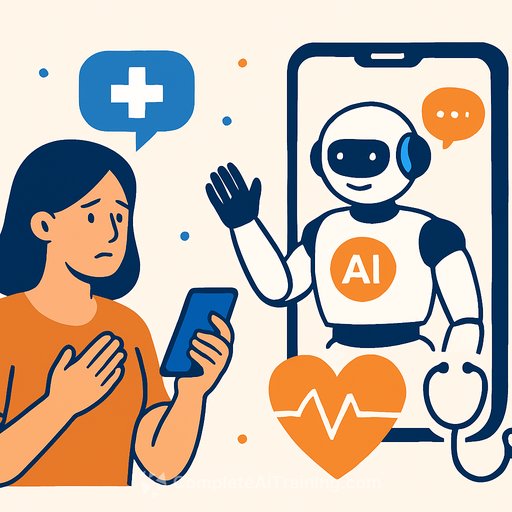
- Label AI clearly: Make it obvious when patients are interacting with chatbots or automated tools. Use on-screen labels, scripts, and signage.
- Audit titles and messaging: Ensure no AI tool uses protected clinical titles in interfaces, signatures, or documentation.
- Define scope of use: Keep AI focused on administrative support (triage intake prompts, documentation assistance, scheduling) and keep final clinical judgment with licensed staff.
- Update policies and training: Add AI identification, escalation protocols, and clinician oversight requirements to your SOPs. Train staff on when and how to use AI outputs. Consider role-focused programs such as AI Design Courses.
- Vet vendors: Require clear disclosures, monitoring capabilities, and alignment with state and federal guidance on safety, bias, and transparency.
Context beyond Delaware
States are advancing their own frameworks while federal guidance continues to evolve. For reference, see the FDA's discussion on AI/ML-based Software as a Medical Device and transparency expectations in ONC's HTI-1 rule.
Next steps
HB 191's focus is straightforward: protect patients, protect licensure, and keep AI in a supportive role. If you lead clinical operations or compliance in Delaware, start aligning your AI policies now-label tools, document oversight, and reinforce clinician sign-off.
If your organization is building AI literacy and governance for staff, consider role-based training options and examine structured pathways-for example, the AI Learning Path for Primary School Teachers-to help design clear curricula and responsibilities for different roles.
Your membership also unlocks: