Denmark to Legally Protect Citizens Against AI-Generated Deepfakes
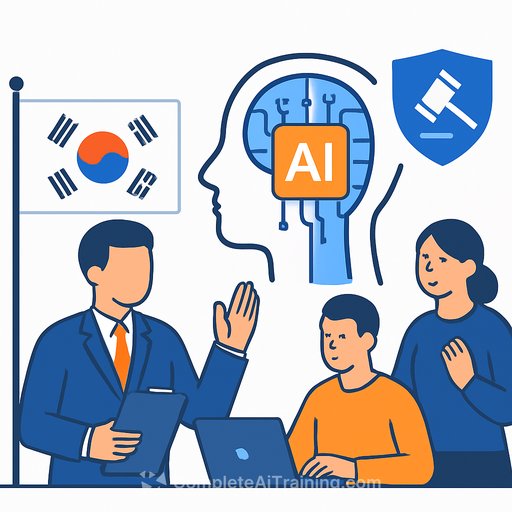
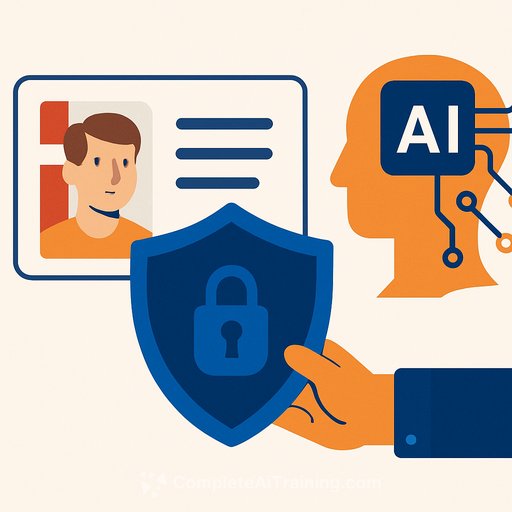
The Danish government is taking a pioneering step in Europe by proposing amendments to copyright law aimed at protecting individuals from AI-generated deepfakes. The planned legislation will grant citizens explicit rights over their own body, facial features, and voice, preventing unauthorized digital imitations.
New Legal Protections Against Digital Identity Abuse
On Thursday, Denmark’s Ministry of Culture announced plans to introduce a law that targets the creation and dissemination of highly realistic AI-generated images, videos, and audio mimicking real people. This will be the first law of its kind in Europe, defining deepfakes as digital depictions that realistically imitate a person’s appearance and voice.
The government intends to submit the draft amendment for public consultation before the summer and formally present it in the autumn. The aim is to provide clear legal grounds for individuals to protect their identity from generative AI misuse.
Minister of Culture’s Position
Jakob Engel-Schmidt, Denmark’s Minister of Culture, emphasized the importance of personal rights in this context. He stated, “Everyone has the right to their own body, voice, and facial features – and the current law clearly does not protect people from generative AI.”
He highlighted concerns about digital copies being exploited without consent, noting that the proposed legislation sends an “unambiguous message” against such abuse.
Strong Political Support and Practical Impact
The initiative has gained support from approximately 90% of delegates in the Danish parliament. Once enacted, individuals will have the legal authority to demand the removal of unauthorized AI-generated content from online platforms.
The law also covers “realistically digitally generated imitations” of artistic performances without permission, allowing affected persons to seek compensation. Importantly, satirical and parody content will remain protected under the new rules, ensuring freedom of expression is maintained.
Enforcement and European Implications
Minister Engel-Schmidt warned that non-compliance by platforms could lead to significant penalties. He indicated readiness to escalate enforcement measures, including involving the European Commission if necessary.
Denmark plans to use its upcoming presidency of the European Union to advocate for similar protections across member states, hoping this will encourage wider adoption of legal safeguards against AI-driven identity abuses.
Legal Professionals Should Note
- The proposed amendments expand copyright law to include rights over personal digital likenesses created by AI.
- Legal practitioners will need to advise clients on how to exercise their rights to remove unauthorized AI-generated content.
- The legislation balances protection of personal identity with preserving legitimate expression, like satire.
- Enforcement mechanisms and penalties for non-compliance by digital platforms are expected to be substantial.
This development signals growing legal recognition of AI’s impact on personal rights and intellectual property, making it a key area for legal experts specializing in technology and copyright law.
For those interested in understanding AI’s legal challenges and training on related topics, resources are available at Complete AI Training.
Your membership also unlocks: