Study Links Digital Stress in Classrooms to Student Burnout and Reduced Learning
A new study of 545 university students reveals how technostress, digital fatigue, and reliance on AI tools create a cascade of psychological strain that undermines learning outcomes. Researchers at multiple institutions analyzed data from English language learners using structural equation modeling to map the pathway from digital stressors to burnout.
The findings matter for educators because they show a clear mechanism: digital pressures increase anxiety, anxiety drives burnout, and burnout weakens academic performance. This isn't a minor side effect-it directly threatens progress toward quality education goals.
How Digital Stressors Compound Into Burnout
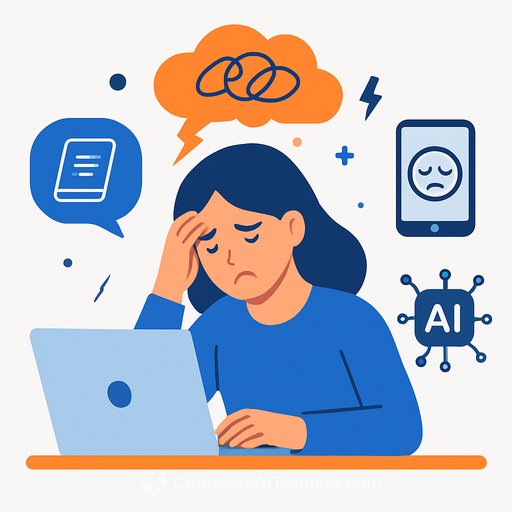
Three primary stressors emerged from the research. Technostress comes from adapting to complex platforms, frequent updates, and the demand to master multiple tools at once. Digital fatigue results from prolonged screen time and constant engagement with online systems. AI dependency introduces a distinct pressure: students rely on AI tools while fearing loss of autonomy and reduced skill development.
These stressors significantly increase foreign language learning anxiety-a well-documented barrier in language acquisition. The anxiety then leads to digital burnout, marked by emotional exhaustion, disengagement, and reduced academic confidence.
The pathway proved statistically consistent across the student population. Each stressor predicted higher anxiety levels, which in turn strongly predicted burnout. Students reported moderate to high levels of all three stressors, suggesting these are widespread problems rather than isolated cases.
International Students Face Greater Strain
The study found that international students experience higher levels of technostress, digital fatigue, anxiety, and burnout compared to domestic peers. They also show stronger connections between stressors and negative outcomes, indicating greater vulnerability.
International learners already navigate language barriers, cultural adaptation, and unfamiliar educational systems. Digital learning environments appear to amplify these challenges rather than ease them. Without targeted support, expanding digital education risks widening existing inequalities.
Technology Self-Efficacy Buffers Against Burnout
One protective factor emerged: students with higher confidence in their ability to use digital tools-called technology self-efficacy-better withstand burnout's impact on learning perception. They view technological challenges as manageable rather than overwhelming and maintain engagement despite stress.
Domestic students reported higher self-efficacy than international students, suggesting familiarity with local systems matters. This gap underscores the need for targeted interventions for vulnerable groups.
What Educators Should Do
The research recommends reducing unnecessary technological complexity in course design. Clear guidelines for AI use, structured learning environments that minimize cognitive overload, and tailored support programs for international students all help reduce strain.
Building students' confidence with digital tools should become a core component of digital education strategy, not an afterthought. This means investing in training programs, peer support networks, and inclusive design principles alongside technological infrastructure.
Learn more about implementing AI responsibly in educational settings through the AI Learning Path for Teachers or explore broader resources on AI for Education.
Your membership also unlocks: