Disney-OpenAI Deal: A Blueprint for Creative Collaboration
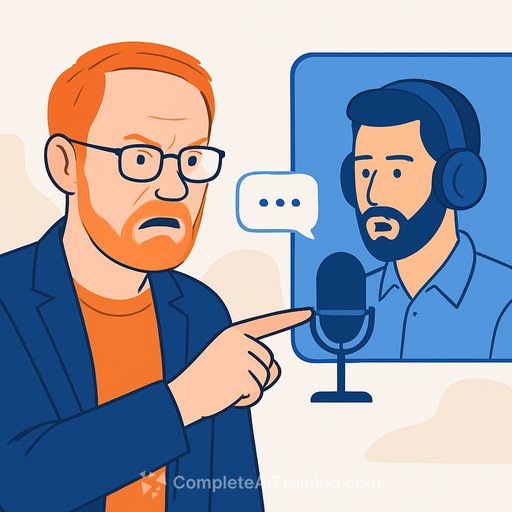
The Walt Disney Company and OpenAI have struck a licensing deal that lets people create short videos with about 200 Disney characters using Sora, OpenAI's text-to-video model. The announcement came during a CNBC interview with Disney CEO Bob Iger and OpenAI CEO Sam Altman. For creatives, this isn't a threat; it's a fresh toolset with clear guardrails.
Iger was direct about the strategy: "This is a great opportunity for the company to enable consumers to engage with our characters on what is probably the most modern of technology and media platforms today." Translation: Disney wants fans interacting with beloved IP in new ways-without crossing legal or brand lines.
What's actually in the deal
- Roughly 200 licensed Disney characters can appear in user-made videos inside Sora.
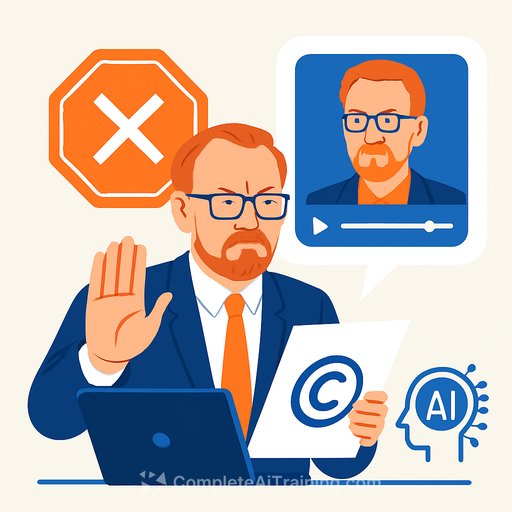
- No use of character voices or actor name/likeness. That stays off-limits.
- Short-form only for now: clips capped at about 30 seconds.
- There's a license fee and clear boundaries, which protects talent and the brand.
- Disney emphasizes a "safe environment" for fans to create.
Altman praised Disney's storytelling legacy and pointed to a bigger shift: "We have underestimated the amount of latent creativity in the world. If you lower the effort, skill, time required to create new things, people very quickly are able to bring ideas to life." Sora becomes a sketchbook for anyone with an idea and a prompt.
If you want to understand Sora's direction from the source, start here: OpenAI: Sora. For Disney's broader corporate stance and updates, see The Walt Disney Company.
Why this matters for creatives
- New canvas, clear rules. You can work with iconic characters without guessing where the legal lines are.
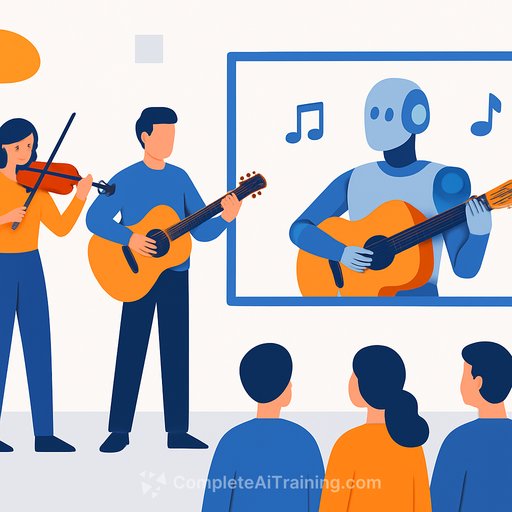
- Faster iteration. Thirty seconds is perfect for concept tests, mood pieces, and story beats.
- Better pitches. Bring rough storyboards to life for clients, producers, or internal teams.
- Safer collaboration. Guardrails reduce the risk of accidental infringement while you experiment.
How to use it in your workflow
- Prototype stories: Draft a 3-beat arc (hook, conflict, payoff) that fits in 30 seconds. Iterate fast and keep the best version.
- Visual storyboards: Generate animatic-style clips to align tone, pacing, and framing before higher-cost production.
- Brand-smart fan content: If you're building community or pitching partnerships, use licensed characters within the allowed boundaries and disclose AI use.
- Pitch materials: Pair Sora clips with your script pages, lookbooks, and style notes to make concepts tangible.
- Team education: Brief collaborators on the no-voice/no-actor-likeness rule to avoid rework.
Prompt patterns that help
- Clarity first: "Wide shot, sunny boardwalk, character A walking with confident stride, handheld look, 24fps, natural light."
- Time-box the action: "In 8 seconds, character notices a clue. In 10 seconds, close-up reaction. In final 12 seconds, reveal payoff."
- Style constraints: "Soft color grade, filmic grain, subtle camera wobble, shallow depth of field."
- Continuity: Reuse key visual descriptors across iterations to keep character look consistent.
Creative opportunities worth testing
- Short branded stories that teach a value or deliver a punchline in under half a minute.
- Character-led "micro-episodes" for social testing before investing in longer formats.
- Interactive prompts for your audience: give them the setup and invite their versions of the payoff.
- Education and workshops: show teams how to turn briefs into watchable clips in an afternoon.
What this signals for the industry
- Partnership beats conflict. Content owners will engage if guardrails, compensation, and attribution are clear.
- Short-form is the on-ramp. Expect more controlled pilots before long-form approval.
- New roles emerge: AI art director, IP compliance lead, prompt supervisor-creative plus systems thinking.
Iger emphasized that this setup "does not in any way represent a threat to the creators at all," and ties that to a license fee and respect for talent. That balance-access with limits-will likely become the template for future deals.
Next steps for creatives
- Build a 30-second portfolio with 5-10 tight concepts that show range: comedy, adventure, heartfelt, product tie-ins.
- Create a simple checklist: character approvals, no-voice/likeness rule, disclosure, output settings, delivery format.
- Track what resonates. Watch retention at 3, 10, and 25 seconds. Refine pacing and visual clarity.
- Level up your skills with focused resources: browse Generative video tools and explore the latest AI courses.
Bottom line: this deal gives you a safe sandbox with serious IP, plus a limit that forces tight storytelling. Start small, ship often, and let the work speak.
Your membership also unlocks: