AI meets Mickey: what Disney's OpenAI deal means for creatives and PR
Three headlines worth your attention today: Disney bets big on AI, Lululemon resets leadership, and Alvin Ailey sets a clear vision for growth. Each one points to the same signal-brands are moving faster and asking for more from content, partnerships and channels.
Disney x OpenAI: IP meets generative tools
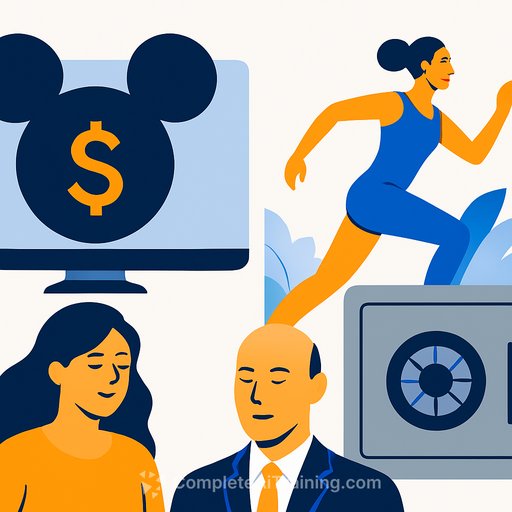
Disney signed a three-year partnership with OpenAI and invested $1 billion. The agreement gives OpenAI access to 200+ Disney, Marvel, Pixar and Star Wars characters to power short, AI-generated videos-some could even land on Disney+. Disney will also bring OpenAI inside the company to speed up new products and internal creative tools, per reporting.
Bob Iger says the move won't replace human creators. The deal blocks use of real actors' faces and voices and adds strict guardrails to protect talent. The aim: modernize how Disney reaches fans while keeping creators in the loop.
Why this matters for you: IP owners are moving from defense to controlled participation. Expect new rules for character usage, faster content formats, and cross-team workflows where legal, creative, product and comms work in lockstep. If your brand uses licensed characters or partnerships, your playbook needs an update.
- Audit AI use: where can generative tools speed concepting, rough cuts and personalization-without touching protected likenesses?
- Refresh approvals: lock down scripts, visual guidelines and voice policies for AI-assisted work.
- Prep distribution: short, character-led videos will spike-map where owned, paid and platform-native placements fit.
- Message the guardrails: make your rules public to reduce creator and fan backlash before it starts.
Lululemon CEO exit: a brand story reset
Lululemon's CEO Calvin McDonald will step down at the end of January after seven years. The company named its CFO and CCO as interim co-CEOs while the board chair moves to executive chair; McDonald will advise through March. Shares popped about 10% on the news as investors push for fresh focus and more innovation.
PR and brand take: leadership changes are narrative moments. The signal to customers and markets is simple-course correction and momentum. Now is the time to articulate a tighter promise, double down on product stories that prove "what's next," and show pace through pilots, drops and partnerships.
- Reframe the why: clarify the brand's edge in one sentence and ladder comms to it for the next 90 days.
- Show proof, not platitudes: line up 2-3 near-term launches or collabs that demonstrate innovation.
- Brief frontline teams: equip retail and community leads with a crisp narrative and Q&A.
- Watch the tape: track sentiment and repeat purchase in key cohorts after each announcement.
Alvin Ailey's new leader: evolve the format, protect the core
Alicia Graf Mack is the new artistic director of the Alvin Ailey American Dance Theater. She's clear about the path: honor the company's blueprint and expand reach through social, streaming and cross-industry collaborations. The goal isn't a new identity-it's adapting distribution and partnerships to where audiences live.
Brand lesson: legacy is an asset if you make it accessible. Keep the signature works front and center, then widen the funnel with digital-first content, music collabs and on-screen experiences. The touring model has limits; the audience doesn't.
- Map your canon: identify your "Revelations"-the pieces that anchor recognition-and build content series around them.
- Prototype off-stage: test short-form sequences, docu-style clips and creator collabs to reach new viewers.
- Measure cultural pull: track saves, completions and repeat views-signals that beat vanity views.
People share less news now. Plan for it.
A study highlighted by Nieman Lab shows fewer people share news on social. Many feel overwhelmed or assume "news will find me." For communicators, that means fewer organic lifts from shares and more reliance on owned, paid and creator partnerships.
- Shift your KPI stack: emphasize comments, saves, replies, site time and newsletter sign-ups over shares alone.
- Build owned reach: email, SMS and communities where you control distribution.
- Use creators as channels: treat them like media buys-with briefs, exclusives and clear deliverables.
- Package for relevance: tight headlines, useful assets, and formats that make people look smart for engaging.
What to do this week
- Run a 60-minute AI policy sprint: define do/don't rules, approval flow and disclosure language.
- Create a "character and IP" checklist for any AI-assisted concepts touching licensed brands.
- Draft a leadership-change playbook: roles, timelines, stakeholder messages and proof points.
- Rebuild your metrics sheet: drop vanity share targets; add saves, replies and subscriber growth.
- Pilot one AI-assisted content workflow from brief to publish, then document time saved and quality notes.
If your team needs practical training on AI for content, campaigns and reporting, explore job-specific options here: AI courses by job.
Bottom line: entertainment, tech and AI are converging. The teams that set clear guardrails, ship faster formats and protect their core story will win the next quarter-without burning trust with creators or audiences.
Your membership also unlocks: