Ambient AI Scribes in Clinics: What Works, What Still Needs Work
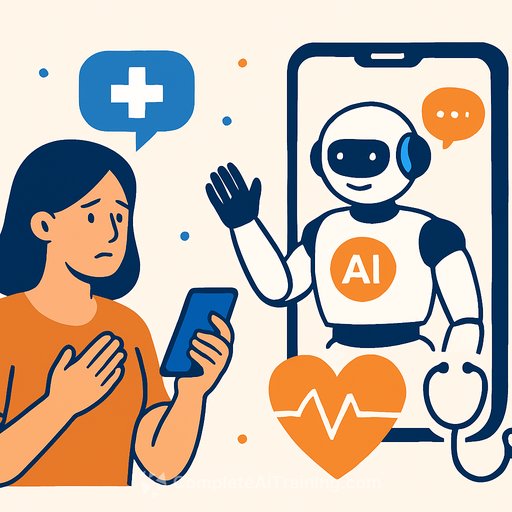
Clinicians are warming up to ambient AI scribes for one simple reason: less typing, more patient time. In visits where a phone records with consent, the scribe drafts a structured note that the clinician reviews and signs. Patients often see a cleaner visit summary in the portal, with their questions, exam findings, and the plan captured clearly.
One patient described walking out of a 30-minute visit with a thorough summary that "made sure we didn't miss anything." For many, the visit feels the same - only the documentation stops stealing focus.
What Ambient AI Scribes Actually Do
- Listen (with explicit patient permission) and structure the conversation into history, exam, assessment, and plan.
- Filter chit-chat while keeping relevant context (e.g., a family member's recent cancer diagnosis).
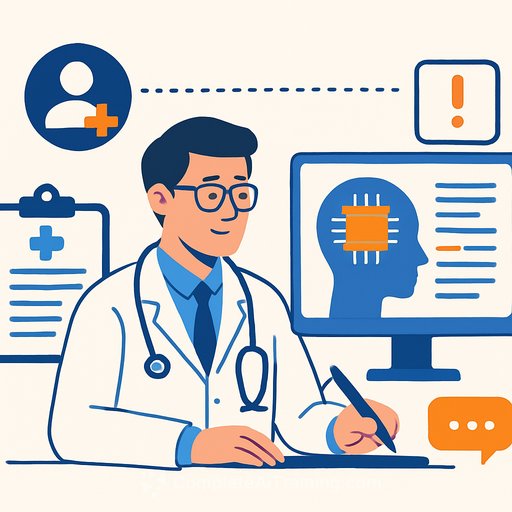
- Draft notes inside the EHR for clinician review and attestation.
The workflow is straightforward: record, draft, review, sign. The physician stays in control.
Why Many Clinicians Are Positive
Early use suggests less after-hours "pajama time," lower cognitive load, and better eye contact in the room. Health systems also see it as a recruiting and retention lever. As one department chair put it, keeping physicians satisfied can be worth more than a narrow ROI spreadsheet.
Vendors have moved fast, and leading EHRs are piloting native options. Some experts estimate roughly a third of clinicians have access today, with more on the way. Adoption is becoming a factor in where clinicians choose to work.
How It's Changing the Encounter
There's a new dynamic: narrating parts of the physical exam so the scribe captures findings. "Now, when I'm doing a physical exam, I have to say what I'm doing and what I'm finding out loud," said primary care physician Dina Capalongo. Patients often appreciate hearing why you listen over a carotid or what a "bruit" would mean.
But context matters. For sensitive exams or anxious patients, narrating findings in real time can be counterproductive. As surgeon and informatics leader Genevieve Melton-Meaux put it, sometimes you record the detailed findings after the encounter to protect the patient's comfort and trust.
Quality, Accuracy, and the "Human-in-the-Loop"
Across completeness, timeliness, and coherence, AI-generated notes are often on par with - and sometimes better than - traditional documentation. Hallucinations still occur, though they appear uncommon at scale. Kaiser Permanente reports rare cases like the note stating a neurology referral or a two-week follow-up that the clinician never said.
The safeguard is clinician review. That said, vigilance can fade in busy clinics. Tight review habits, spot checks, and clear accountability remain essential.
Equity, Cost, and Coding
Large systems can absorb licensing, integration, and change management. Small practices and critical access hospitals may lag without targeted support. That gap could widen unless vendors, payers, or policymakers address access and cost.
There's also the billing question. More detailed documentation plus automated coding prompts can nudge higher levels of service. Is that appropriate specificity or upcoding risk? Health systems need guardrails, audits, and education to keep billing accurate and defensible.
Implementation Playbook (Practical and Brief)
- Consent and privacy: Use a plain-language script; make opt-out easy; post signage. Confirm BAAs, data retention, encryption, and PHI boundaries.
- Clinical workflow: Define when to narrate findings vs. add details after the exam. Build a standard review-and-attestation flow with time boxes.
- Quality controls: Start with daily review, taper to sampling once error rates are low. Track false additions, omissions, and time saved per note.
- Coding governance: Separate documentation from coding optimization. Audit E/M levels; educate on medical necessity and compliant specificity.
- Patient experience: Share a quick script explaining the tool, why it's used, and how data is protected. Encourage questions; never record without consent.
- Change management: Identify clinical champions, run a 4- to 8-week pilot, publish metrics, and scale deliberately.
- Edge cases: Set rules for sensitive visits, interpreters, multi-party discussions, and noisy environments.
What to Measure
- After-hours EHR time per clinician
- Minutes to finalize a note
- Note completeness (problem list, meds, allergies, exam findings)
- Patient satisfaction with communication and understanding
- Error rates (insertions, omissions, wrong attributions)
- Billing level distributions and audit outcomes
- Recruitment and retention indicators
Pitfalls to Anticipate
- Overreliance: If review becomes a rubber stamp, errors slip through. Keep audits routine.
- Clinician drift: Narration can creep into areas that confuse patients. Set etiquette for sensitive moments.
- Ambient noise: Poor capture leads to bad notes. Provide headsets or quieter setups when needed.
- Scope creep: Resist bundling automated coding changes until documentation quality is stable.
Where This Is Headed
EHR-native scribes are coming to market, with vendors signaling dozens of AI features beyond note drafting. Expect assistants that pre-fill orders, tee up patient education, summarize prior visits, and surface evidence at the right moment. The goal: reduce clicks and let clinicians make the call faster and with better context.
The open question is impact on outcomes. Will freed-up minutes deepen patient communication, close care gaps, and improve adherence - or just increase throughput? Health systems should test both scenarios and choose intentionally.
Scripts You Can Steal
- Consent (room entry): "I use a secure AI assistant that listens so I don't have to type. It helps me create an accurate note. Nothing is saved without your permission, and I'll review everything before it's part of your record. Are you comfortable with that? You can opt out anytime."
- Sensitive exam: "I'm going to pause the live narration for privacy and will complete the medical details right after."
- Error transparency: "I'm reviewing the draft now. If anything looks off, I'll fix it before I sign."
Helpful References
Policy attention continues, with federal agencies exploring ways to support safe AI use in care delivery. For context on federal activity, see the U.S. Department of Health and Human Services AI resources: HHS. For EHR-native scribe updates, watch system announcements from major vendors such as Epic: Epic.
Upskilling Your Team
If you're building AI literacy for clinicians, clinical ops, or informatics, a curated list by role can accelerate adoption and governance. Explore job-specific AI training here: AI courses by job.
Bottom line: Ambient AI scribes are reducing clerical drag and restoring presence in the exam room. Keep humans firmly in the loop, set clear rules for privacy and coding, and measure what matters. The systems that do this well will get happier clinicians and cleaner notes - without losing the plot on patient care.
Your membership also unlocks: