
AI news ·
DOJ joins Elon Musk's xAI in lawsuit against Colorado's AI antidiscrimination law
The DOJ sued Friday to block Colorado's AI antidiscrimination law before its June 30 deadline, joining Elon Musk's xAI in challenging the 2024 statute. The law requires companies to audit "high-risk" AI for bias against protected groups.
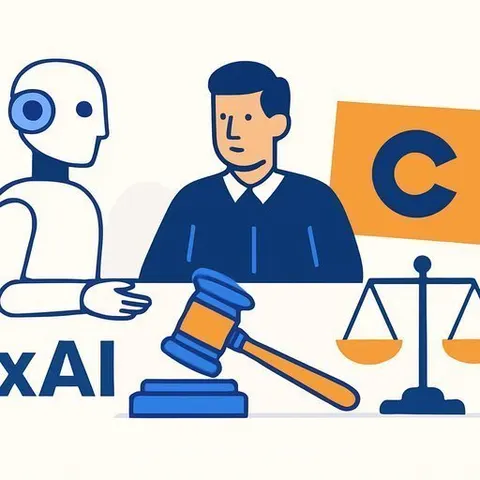
DOJ Joins Musk's xAI in Bid to Block Colorado's AI Antidiscrimination Law
The Department of Justice filed a federal lawsuit Friday to block Colorado's first-in-the-nation AI antidiscrimination law from taking effect June 30, joining Elon Musk's xAI in a legal challenge that escalates a fight over the state's regulatory approach.
Senate Bill 205, signed into law in 2024, requires companies to assess "high-risk" AI systems for algorithmic discrimination-bias that disadvantages people based on race, gender, age, income, or other protected characteristics.
The Federal Government's Argument
DOJ attorneys argue the law forces AI developers to "incorporate discriminatory ideology that prioritizes preferred demographic characteristics over accurate and merit-based outputs," according to a 19-page complaint filed in federal court in Denver.
The government claims the law violates the 14th Amendment's equal protection clause by requiring developers and deployers to discriminate based on race, sex, religion, and other protected traits. The DOJ also contends the statute will "disproportionately burden small businesses and start-ups" through policy, assessment, and disclosure requirements.
xAI's Separate Challenge
Musk's xAI filed its own lawsuit April 9, arguing the law is "unconstitutionally vague" and "invites arbitrary enforcement" because it fails to define key terms.
xAI's legal team also claims the law would force the company's AI chatbot, Grok, to "abandon its disinterested pursuit of truth and instead promote the State's ideological views," violating the First Amendment.
Colorado's Response
Rep. Brianna Titone, D-Arvada, a lead sponsor of the bill, called the DOJ's allegations a distraction from legislative work to refine the law. "Senate Bill 205 is, and has always been, promoted as a policy to prevent and curtail discrimination for consequential decisions," Titone said.
Lawmakers plan to introduce revisions before the June 30 implementation date. Titone said the goal is to create "more demand and better outcomes for AI products," noting that "the public knows very well that AI gets things wrong often."
Rep. Manny Rutinel, D-Commerce City, another bill sponsor, accused the administration of attacking the law to benefit Musk. "Coloradans deserve technology that works for everyone," Rutinel said, "not just billionaires."
Colorado Attorney General Phil Weiser declined to comment on the active litigation.
Timeline and Context
The law was originally set to take effect in February but was delayed to allow negotiations on changes following industry and interest group objections. This marks the third round of legislative debate on modifications to the statute.
For legal professionals tracking AI regulation and antidiscrimination compliance, this case will likely shape how states approach algorithmic bias oversight. Learn more about AI for Legal professionals navigating these emerging regulatory frameworks.