The Em Dash: A Punctuation Mark Under Scrutiny
The em dash rarely grabs headlines, yet it’s been thrust into the spotlight thanks to AI’s growing influence. Named for its approximate width to the capital M, the em dash breaks sentences, introduces clauses, and mimics interrupted speech. Writers either adore it or despise it—there’s little middle ground. Now, a new group has emerged: those suspicious of the em dash’s frequent appearance in AI-generated text.
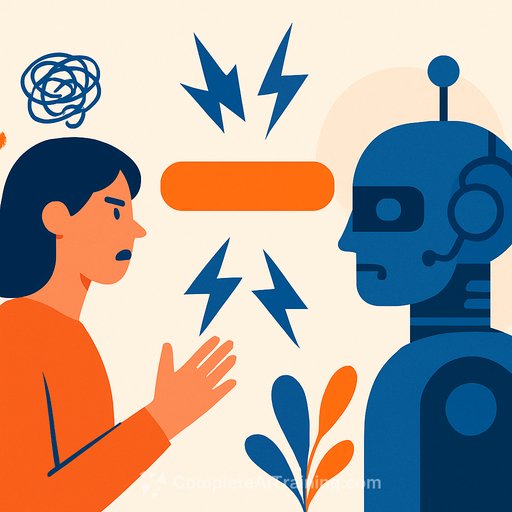
Online chatter has pointed out ChatGPT’s odd fondness for em dashes. Reddit threads in r/ChatGPT question whether the mark signals AI involvement, sparking debates within OpenAI’s developer community. Stories circulate about professors suspecting AI use in assignments simply because of the punctuation style. Headlines warn that spotting an em dash might mean a text was written by AI, while influencers mock its presence as “the ChatGPT hyphen.” Some users even report that ChatGPT ignores instructions to avoid using em dashes, repeating them despite being told not to.
This backlash has stirred up social media spaces filled with people passionate about punctuation—many of whom champion the em dash. The drama taps into existing fears: as AI grows more capable, could the em dash become a symbol of human creativity being replaced?
Why Writers Love and Fear the Em Dash
Unlike commas or periods, em dashes aren’t essential to sentence structure. They’re choices, used to create pauses, interruptions, or dramatic effects. They can replace commas, parentheses, and semicolons but don’t have to. Em dashes add flavor and nuance—conveying impatience, distraction, or ecstasy in dialogue. They’re extra, in the best sense.
Many great writers have made the em dash a signature device. Emily Dickinson’s poems use them to halt lines and build tension. James Joyce’s Ulysses fills sentences with em dashes, breaking traditional punctuation rules. Vladimir Nabokov layered em dashes within em dashes, pushing boundaries.
Yet, editors and style guides often caution against overusing them. Strunk and White’s The Elements of Style advise using dashes only when other punctuation fails. Benjamin Dreyer, a respected copy chief, notes that many writers tend to overuse em dashes. Even The New York Times has publicly called out excessive dash use. Early editors of Dickinson’s work removed her dashes, fearing reader confusion.
AI and the Em Dash: A Symptom, Not the Cause
If AI tools like ChatGPT favor em dashes, it’s because their training data includes writers who embraced them. To accuse an em dash of being a “tell” for AI use is ironic—especially when AI simply reflects existing writing styles.
These punctuation debates reveal deeper anxieties about AI’s role in creative work. Defending the em dash is a small act of resistance in a larger conversation about job security and originality.
Educators and students, often the most wary of AI-generated content, are caught in the middle. Literacy rates have dropped, and grammar education has shifted focus. While this means less time spent on traditional grammar exercises, it also creates uncertainty about what signals genuine writing.
What Writers Should Take Away
- The em dash remains a versatile and expressive tool. Use it thoughtfully to add rhythm, tone, or emphasis.
- AI-generated texts reflect existing writing conventions, including punctuation choices. Suspicion based solely on em dash usage is misplaced.
- Awareness of punctuation’s impact on style can help writers and editors distinguish voice and intent.
- Embrace punctuation debates as opportunities to revisit and refine your craft.
Some might see the em dash as “the ChatGPT hyphen,” but writers know it’s much more than that. Just as the period has been reinterpreted in texting culture, punctuation marks evolve with usage and context. Perhaps the current scrutiny will spark renewed interest in the em dash’s power and versatility.
In the end, humans will have the final say on the em dash—because we’ll never stop talking about it.
Your membership also unlocks: