
AI news ·
Employers face bias, privacy and legal risks as AI use in hiring grows
AI hiring tools used to screen resumes and evaluate candidates are drawing discrimination lawsuits and regulatory action. Employers in California must now complete bias audits and privacy risk assessments or face enforcement penalties.
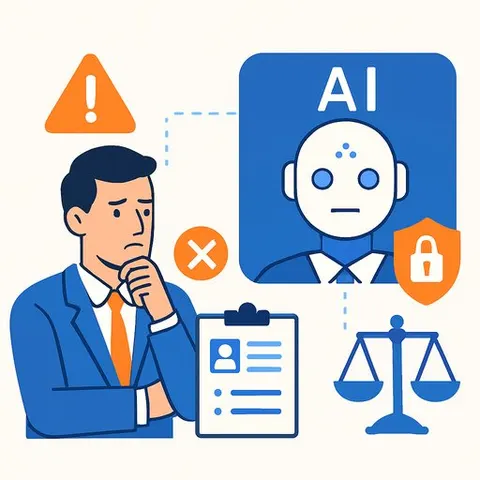
AI Hiring Tools Create Legal Exposure for Employers
Companies using artificial intelligence to screen resumes, evaluate candidates, and make promotion decisions face growing regulatory scrutiny and discrimination lawsuits. Employers must now conduct bias audits and privacy risk assessments to avoid costly legal claims.
AI adoption in hiring has accelerated across industries. Employers deploy these systems to analyze resumes, rank qualified candidates, assess video interviews, and evaluate personality traits through facial expressions and vocal patterns. The efficiency gains are real - but so are the legal risks.
Algorithmic Discrimination Is a Liability Issue
Bias embedded in AI systems - whether intentional or accidental - can violate federal and state anti-discrimination laws. The California Civil Rights Department recently issued regulations specifically addressing automated decision systems used in employment, signaling that other states will likely follow.
A bias audit serves three purposes: it identifies disparate impact risks before they become lawsuits, corrects system deficiencies early, and creates a documented record of compliance efforts. In litigation, evidence of regular auditing and remediation becomes central to the employer's defense.
Privacy Laws Now Require Risk Assessments
California's privacy laws - the CCPA and its amendment, the CPRA - require employers to conduct risk assessments when using AI to make or substantially contribute to "significant decisions" about employees. Hiring and promotion tools almost certainly qualify.
A compliant risk assessment must address:
- How the AI tool actually works
- What privacy and bias risks it creates
- Whether the benefits justify those risks
- Testing and monitoring processes
- Human oversight mechanisms
Skipping this step exposes employers to regulatory enforcement and employee lawsuits.
What Managers Should Do Now
Start by reviewing which AI tools your company uses in employment decisions. Work with legal counsel to conduct bias audits and privacy risk assessments. Update internal policies to ensure consistent implementation and compliance.
Examine vendor contracts closely. Understand who bears responsibility if the tool causes discrimination claims. Limit access to AI hiring systems to trained personnel only.
A documented, deliberate approach to AI implementation protects the company while still capturing efficiency gains. Companies that treat this as a compliance requirement - not an afterthought - avoid the worst outcomes.
Learn more about AI for Human Resources and AI for Management to build organizational competency in this area.