England’s High Court Issues Warning on AI Misuse in Legal Proceedings
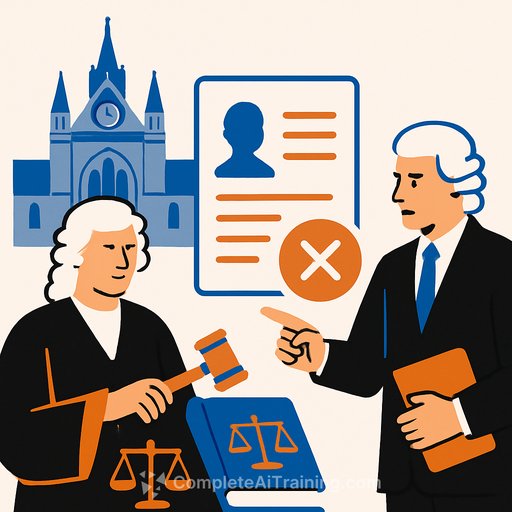
England’s High Court has issued a clear warning to legal professionals regarding the misuse of artificial intelligence tools in court. A senior judge stated that lawyers may face prosecution if they present AI-generated material containing fabricated information, such as false case law citations or invented quotes. This ruling highlights the tension between adopting new technology and maintaining ethical standards within the legal process.
The decision follows several incidents where AI tools, intended to assist with legal research or document drafting, produced inaccurate or completely made-up content. Examples include misinterpreted laws, fabricated judicial quotes, and citations of cases that do not exist. The judge stressed that while AI can improve efficiency, it also carries serious risks if not carefully managed, emphasizing the need for strict oversight to preserve trust in the justice system.
AI’s Double-Edged Sword in Legal Practice
AI tools like language models are increasingly used in law firms for tasks such as case research, contract review, and drafting briefs. Their ability to speed up workflows is undeniable. However, the High Court’s warning brings attention to a critical risk: AI’s tendency to generate plausible yet false information, often referred to as “hallucination.” In legal work, where accuracy is crucial, such errors can have severe consequences.
The judge noted that lawyers submitting AI-generated falsehoods could face contempt of court charges or criminal prosecution. This sets an important precedent about how courts may hold professionals accountable for AI misuse. The incidents reported have already affected several cases, prompting calls for regulatory bodies to define clear rules on AI use in legal practice.
A Call for Regulation and Ethical Standards
This ruling raises broader challenges beyond individual responsibility. Law firms, AI developers, and regulators must find ways to balance innovation with ethical practice. Suggestions include mandatory training for lawyers on AI’s limitations and requiring developers to build safeguards against hallucination into their products. The High Court’s firm stance serves as a reminder that ethical obligations must come before convenience.
The decision could influence legal standards internationally as other jurisdictions watch how the UK handles these issues. The judge emphasized the need for oversight mechanisms to prevent AI misuse from damaging confidence in judicial systems. Moving forward, collaboration between technologists, lawyers, and policymakers will be essential to ensure AI supports justice rather than undermines it.
For legal professionals interested in understanding AI tools and their responsible use, exploring specialized courses on AI in legal practice can provide valuable insight and skills. Resources such as Complete AI Training’s courses for legal professionals offer practical guidance on leveraging AI while managing risks effectively.
Your membership also unlocks: