Toward Fair AI-Driven Medical Text Generation
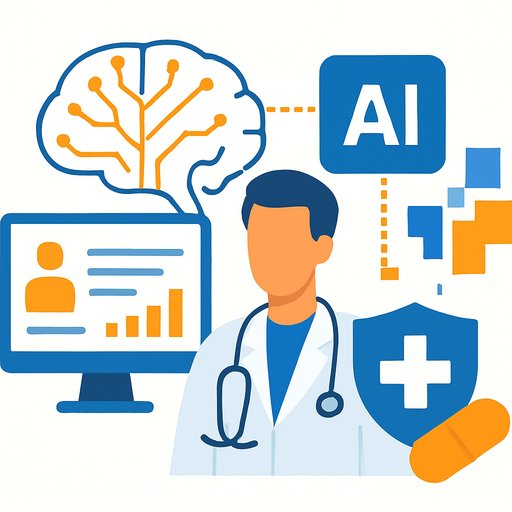
Artificial intelligence is increasingly used to generate medical text, assisting healthcare professionals with documentation and communication. However, recent research highlights that AI-generated medical language can exhibit biases related to patient age, sex, and ethnicity. These biases risk perpetuating disparities in healthcare delivery and outcomes.
To address this, a new approach proposes an optimization technique that improves fairness in AI-generated medical text without compromising its accuracy or performance. This advancement is crucial for ensuring that AI tools support equitable care across diverse patient populations.
Why Fairness in Medical AI Matters
Medical language generated by AI influences clinical decisions, patient communication, and health records. When AI reflects or amplifies existing biases, it can lead to unequal treatment or misunderstandings. For example, language patterns that differ based on demographic factors may affect diagnosis or care recommendations.
Ensuring fairness means AI-generated text should treat all patient groups consistently and respectfully. This helps build trust and improves the quality of healthcare information.
How the Optimization Technique Works
The proposed method evaluates bias by analyzing differences in AI-generated text across age, sex, and ethnicity categories. Then, it adjusts the AI model to minimize these disparities while maintaining overall language quality. This balance is key—fairness improvements should not degrade the usefulness of the generated text.
By integrating such optimization, healthcare organizations can deploy AI tools that better support diverse patient needs and reduce the risk of unintended bias affecting clinical workflows.
Implications for Healthcare Professionals
Healthcare workers relying on AI-generated documentation or communication tools should be aware of potential biases and support solutions that promote fairness. Using AI systems with built-in fairness optimization can enhance patient interactions and documentation accuracy.
As AI adoption grows, ongoing evaluation of these technologies in clinical settings will be essential to ensure they contribute positively to health equity.
Further Reading
Your membership also unlocks: