Equity Demands Stronger AI Protections for Creative Workers
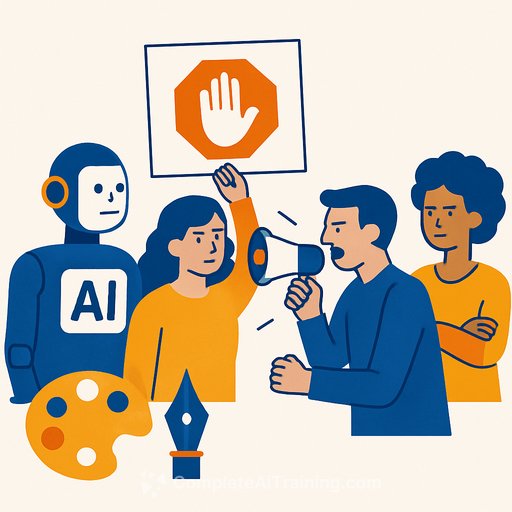
At its annual conference in Derry, Equity members passed a unanimous motion urging the trade union movement to push for better safeguards against the misuse of artificial intelligence in creative industries. This motion will be presented at the Trades Union Congress (TUC) Congress this September in Brighton.
The TUC represents over 5.5 million workers across 48 unions in the UK, including Equity. The union is calling on the TUC to lobby the government for new personality rights that protect artists’ likenesses and to enforce data protection laws related to generative AI.
Key Demands from Equity’s Motion
- Introduce personality rights so artists can control and license their voice, image, and likeness.
- Ensure data protection regulations are strictly enforced regarding AI use.
- Oppose the government’s proposed ‘text and data mining exception’ that would weaken copyright protections.
- Implement the full recommendations of the AI for Creative Workers: a TUC Manifesto.
Feyesa Wakjira, an actor and Equity Councillor who proposed the motion, emphasized the importance of informed consent and fair pay when AI uses an artist’s work.
"Creative contributions belong primarily to the artists," Wakjira said. "Any use of AI must include informed consent, fair remuneration, and zero tolerance for breaches of trust. This protects both our industry and our creative independence."
Why This Matters
Creative workers form the backbone of the UK’s entertainment industry but often face unstable work conditions. AI technologies are increasingly used to generate synthetic voices, digital replicas, and other creative content without proper approval or compensation.
The government’s plan to introduce copyright exceptions for AI training poses a serious risk to artists, potentially allowing widespread use of their work without permission. Equity’s motion aims to prevent this and secure stronger legal protections.
Looking Ahead
Equity’s annual conference runs until May 12 and covers various issues, including defending soap operas, protecting audio drama at the BBC, and campaigning for more arts funding.
The upcoming TUC Congress (7-10 September) will decide whether these AI-related protections become part of the wider trade union agenda.
For creative professionals looking to understand AI’s impact on their work and explore relevant training, resources are available at Complete AI Training.
Your membership also unlocks: