AI for equitable access in education and healthcare
"Distribution should undo excess and each man have enough." That old line still hits hard. Inequality didn't vanish with Wi-Fi. It just changed form.
The digital divide is about far more than connectivity. It's access to skills, language, devices, and the chance to participate. The World Economic Forum describes three divides that risk widening gaps between companies, workers, and countries. Here's their take.
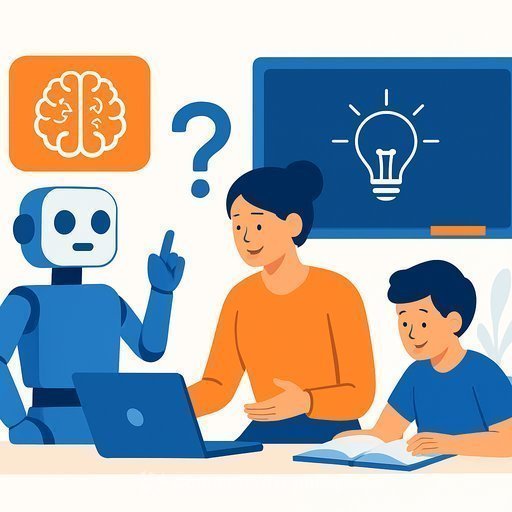
We can step out of the hype cycle and ask a better question: how do we use AI to increase access, not replace humans? Viewed this way, AI becomes a way to scale quality teaching, basic healthcare guidance, and practical support to those usually left out.
Education: extend reach, keep teachers at the center
Millions of students want in but are blocked by weak infrastructure, language barriers, and cost. AI can help close that gap-if we build with equity in mind and keep human educators in control.
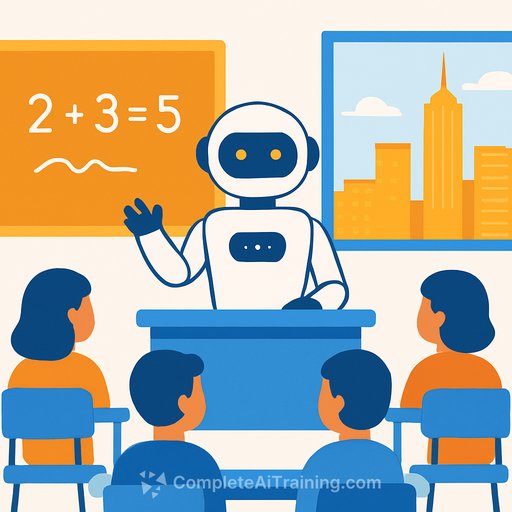
- 24/7 AI tutoring: on-demand explanations, step-by-step solutions, and practice in a student's home language. Use it to fill gaps, not replace the lesson.
- MOOCs with intent: package your best courses for open access and short, skills-based learning. Prioritize mobile-first formats and low data use.
- Translation and accessibility: generate transcripts, summaries, and alt text. Offer audio versions for low-literacy or visually impaired learners.
- Adaptive support: use AI to flag misconceptions early, propose remedial content, and nudge students who go quiet.
- Assessment at scale: automate feedback on drafts and short answers. Keep summative decisions in human hands.
- Offline-first: plan for spotty connectivity. Sync when online; keep learning moving when it's not.
Practical checklist for equitable AI in your classroom or institution
- Start with the learner who has the least: low-end phones, low bandwidth, limited study time.
- Use plain language and local examples. Prioritize multilingual content.
- Co-create with students and community partners. Pilot, listen, iterate.
- Protect privacy. Minimize data collection. Be transparent about what's stored and why.
- Blend AI with teacher judgment. Set clear rules on when AI is allowed and how its output is verified.
- Train staff and students. Digital literacy is part of the curriculum, not an afterthought.
Healthcare: why educators should care
Access to basic medical guidance saves lives. AI diagnostic tools on simple smartphones can triage symptoms, flag TB from chest X-rays, and spot diabetic retinopathy early. Voice-based tools in local languages help community health workers prioritize care when clinicians are scarce. See the context on TB burden at the WHO.
For education leaders, this is a template: cross-disciplinary learning that serves real needs. Public health, data science, language tech, ethics-students can build useful solutions with community partners while learning job-ready skills.
Agriculture: the same access problem, different setting
Small-scale farmers lack agronomists, labs, and reliable forecasts. AI can parse soil, weather, and pest patterns, then deliver simple voice guidance in local languages. It doesn't replace ancestral knowledge; it augments it with timely, specific advice.
For educators, that's a project lab waiting to happen: local language interfaces, offline models, market price alerts, and sustainable practices informed by indigenous knowledge.
Build inclusive AI from the ground up
- Representation matters: train on data that reflects local languages, dialects, and contexts. Avoid one-size-fits-all models.
- Infrastructure and literacy: invest in devices, connectivity workarounds, and practical training for staff and students.
- Transparency and fairness: clear documentation, human oversight, bias testing, and community review.
- Local solutions: support open-source tools and partnerships that fit cultural and linguistic realities.
What you can do this term
- Next 30 days: pick one access gap (language, bandwidth, feedback at scale). Audit your courses. Choose one pilot with measurable outcomes.
- Next 60 days: run the pilot with 1-2 classes. Provide student and staff training. Collect data on engagement, equity, and outcomes.
- Next 90 days: iterate based on feedback. Publish what worked. Expand to two more courses. Create simple guidelines for ethical use.
For educators who want a head start
If you need structured options to upskill your team or yourself, browse role-specific AI courses here: Complete AI Training - Courses by Job. Keep it practical, pick one skill, and ship a small win in weeks, not months.
AI won't fix inequality on its own. But used with care-grounded in context, led by teachers, and measured by access-it can open doors that stayed shut for too long.
Your membership also unlocks: