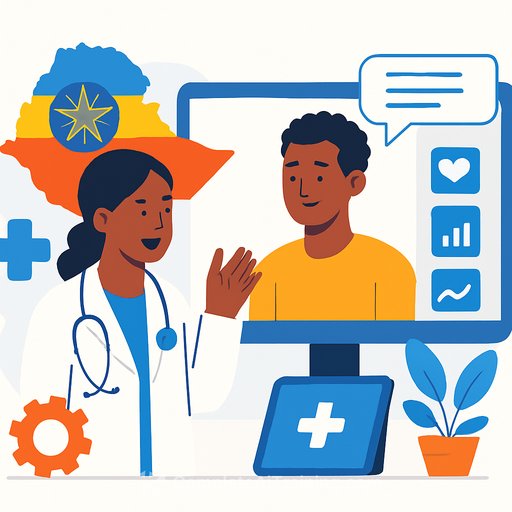
Ethiopia advances healthcare with AI and telemedicine
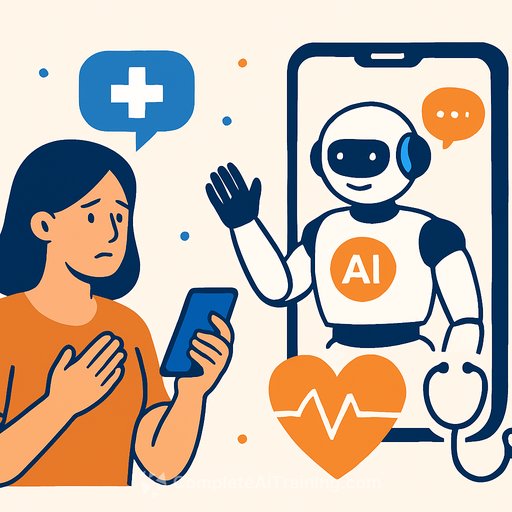
Ethiopia is moving healthcare access forward with AI-assisted decision support and telemedicine networks. The goal is straightforward: reach more patients, reduce delays, and support clinicians who carry heavy caseloads-especially outside major cities.
For healthcare teams, this shift means new tools at the point of care, faster referrals, and consistent protocols that travel with the patient. The work isn't about replacing clinicians. It's about giving them better signal, sooner.
What this means for clinicians and managers
- Faster triage: symptom checkers and risk scores to prioritize cases before they hit the clinic.
- Decision support: AI for imaging review, dermatology, eye exams, and TB screening to flag high-risk findings for a second look.
- Teleconsults: connect rural sites to specialists for cardiology, maternal health, mental health, and infectious disease.
- Continuity of care: e-referrals, e-prescribing, and secure messaging to close the loop after each visit.
Practical steps to get started
- Map current workflows: intake, triage, imaging, referral, follow-up. Add AI or telemedicine only where it removes a known bottleneck.
- Start small: one facility, one use case (e.g., dermatology store-and-forward or radiology over-read). Prove value in 90 days.
- Design for low bandwidth: compress images, use asynchronous consults, enable offline capture with sync later.
- Power and devices: plan for solar or battery backups; choose durable Android devices with long support windows.
- Clinical governance: validate tools on local data, set escalation thresholds, and keep a human in the loop for final decisions.
- Data protection: consent, minimal data collection, encryption in transit and at rest, role-based access, and audit trails.
- Training: short, role-based modules for clinicians, nurses, community health workers, and admins. Refresh quarterly.
- Integration: align with national eHealth standards where available; avoid vendor lock-in by using open formats and APIs.
Rural-first design patterns
- Store-and-forward telemedicine: capture images and vitals on-site; specialists review later.
- SMS/USSD patient reminders and basic triage for areas with limited smartphones.
- Offline-first apps with automatic sync when connectivity returns.
- Task-shifting: empower community health workers with checklists, AI prompts, and escalation rules.
Quality and safety checks
- Bias and performance: test on local populations; monitor false negatives and positives.
- Drift monitoring: re-check model accuracy every 3-6 months or after protocol changes.
- Incident response: define how to report tool errors, notify patients, and correct records.
- Clinical documentation: keep clear notes on when AI assisted and how it influenced decisions.
Metrics that matter
- Access: time to appointment, first-contact resolution, referral completion rate.
- Quality: diagnostic turnaround time, re-admission rate, treatment adherence.
- Efficiency: clinician hours per case, no-show rate, cost per consult.
- Patient experience: satisfaction scores and wait-time perception.
Priority use cases to consider
- Imaging triage: chest X-ray, ultrasound, and dermatology queues sorted by risk.
- Maternal health: remote monitoring of blood pressure, symptoms, and danger signs.
- Chronic care: SMS medication reminders and basic symptom checks for hypertension and diabetes.
- Infectious disease: digital contact follow-up and teleconsults for community outbreaks.
Procurement and partnerships
- Pilot contracts: time-boxed trials with clear success criteria and exit clauses.
- Local universities and teaching hospitals: co-create protocols and run validation studies.
- Telcos and cloud providers: negotiate zero-rated traffic for clinical apps and secure cloud credits.
- NGO alignment: reduce duplication by sharing data standards and referral pathways.
Upskilling your team
Create a simple curriculum: privacy and consent, teleconsult etiquette, AI limitations, alert fatigue, incident reporting, and basic prompts for clinical documentation. Use short videos, case simulations, and monthly drills.
If you're setting up structured learning for staff, explore focused options here: AI Learning Path for Technology Managers.
Standards and guidance
Align with regional and global guidance to reduce risk and improve interoperability.
Bottom line
AI and telemedicine can extend clinical reach, but they only work when tied to clear workflows, reliable infrastructure, and responsible oversight. Start with a narrow use case, measure the impact, and expand step by step.
The win is simple: more patients helped, fewer missed problems, and clinicians who feel supported-not stretched thinner.
Your membership also unlocks: