EU steps to scale AI in healthcare: what matters right now
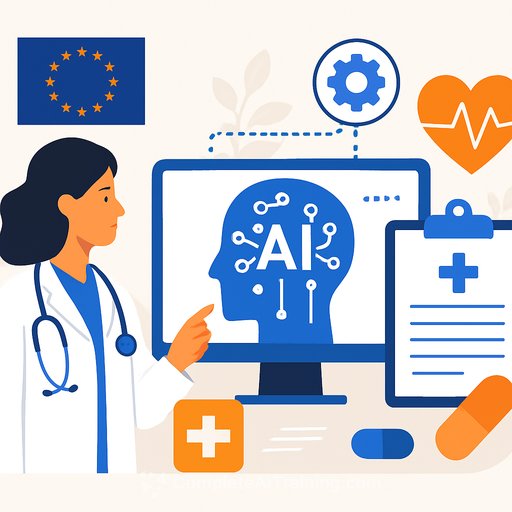
Europe is moving from talk to execution on AI in healthcare. In October, the European Commission released the Apply AI Strategy-an umbrella plan to speed up AI adoption across sectors, including healthcare, pharmaceuticals, and medical devices.
The strategy groups work into three tracks: sectoral flagships, cross-cutting challenges, and governance. For healthcare, two flagships stand out: streamlining market entry for AI-enabled medical devices without sacrificing safety, and building a European network of AI-powered screening centers to push earlier prevention and diagnosis, including in underserved areas.
On October 21, the Commission also announced COMPASS-AI, focused on responsible use of AI in clinical settings, with early emphasis on cancer care and remote care delivery. Expect this to pair with the AI Act and existing medical device rules to set clear guardrails for deployment.
Why this matters if you work in healthcare
- Providers and health systems: Budget and plan for AI in diagnostics and triage. Screening pilots will favor hospitals ready with data governance, model oversight, and an approvals pathway with clinical leadership and ethics boards.
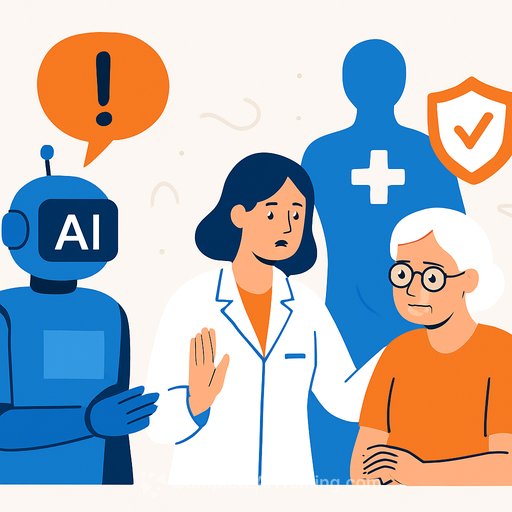
- Clinical quality and safety teams: Build evaluation protocols now-bias checks, human-in-the-loop decision points, alert fatigue thresholds, and rollback plans. Tie model performance to clinical outcomes, not just AUCs.
- IT and security: Prep data pipelines and EHR integrations. Lock down PHI, set audit trails, and define change control for model updates. Align with MDR/IVDR expectations for post-market surveillance of AI-driven tools.
- Medtech and digital health: Map products to AI Act risk classes and MDR/IVDR requirements. Document clinical evidence, human factors, and real-world performance. Shorter paths to market will still demand solid validation and monitoring.
- Care in remote and underserved areas: Watch funding and pilot calls tied to screening centers. Telehealth, imaging, and decision support tools that reduce time-to-diagnosis will see traction.
What to do in the next 90 days
- Pick 2-3 high-value use cases (e.g., imaging triage, cancer screening, discharge risk) and run a small feasibility check: data availability, integration effort, clinical owner, and expected outcome lift.
- Stand up an AI review process: model intake form, risk tiering, human oversight plan, performance metrics, and incident reporting. Keep it lightweight but consistent.
- Prepare evidence and documentation: datasets used, validation cohorts, fairness testing, clinical workflow maps, and patient communication materials.
- Align with regulators early: clarify CE marking path, post-market monitoring, and software update cadence (and who signs off).
- Ready your infrastructure: secure data access, API integrations, identity and access controls, and a sandbox for pilots.
- Scan for pilots and consortia tied to screening initiatives and cancer pathways. Being "integration-ready" wins invitations.
Key EU references
- European Commission: Apply AI Strategy
- Commission launches initiative to increase the use of AI in healthcare (COMPASS-AI)
Skill up your team
If your organization is planning pilots or procurement, give clinicians, data teams, and operations a shared baseline on AI. A simple way to start is with role-specific learning paths: AI courses by job role.
Your membership also unlocks: