Eugene Corp. Puts AI in the Hands of Leaders
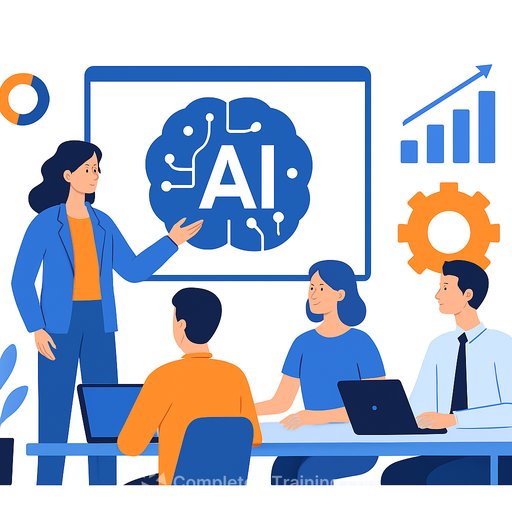
Eugene Corp. is raising the bar on executive capability with a new AI Intensive course for senior leaders. The goal is simple: accelerate digital transformation and move to "smart" management by training the people who set direction and allocate resources.
The program runs across four sessions from Feb. 13 to March 13 and focuses on practical use. It's built to help executives treat AI as a strategic tool, not a curiosity.
Strategy First: A Clear Management Mandate
This initiative reflects the company's 2024 management direction to strengthen AI capabilities. The message: AI isn't a trend-it's a core management tool that demands a mindset shift and real on-the-job skill.
Eugene Group Chairman Yu Kyung-sun put it bluntly: "Our competitors are not companies in the same industry, but global firms changing the world with AI. AI is the last and best opportunity that can instantly surpass all of our past achievements."
What Leaders Are Practicing
- AI-based management strategy analysis and scenario planning
- Building decision-making data and metrics executives can trust
- AI simulations to test options before committing capital
- Process automation to remove bottlenecks and improve cycle times
The curriculum is practice-heavy, not theory-heavy. A company official said the intent is to go beyond concepts and enable real workplace use-then scale the approach companywide to embed AI culture and data-driven decisions.
Why This Matters for Executives
Most firms don't fail for lack of AI tools; they stall because leaders can't turn models into decisions. Training senior teams first creates pull: clear use cases, faster approvals, and cleaner governance.
Eugene Corp. plans to use this training as a starting point to build a data-based decision system and introduce AI from strategy through execution. That end-to-end view is where competitiveness compounds.
What High-Performing Teams Do Next
- Stand up a focused use-case portfolio tied to P&L owner problems
- Codify decision workflows: inputs, thresholds, reviewers, and fallbacks
- Track hard metrics: cycle time, forecast accuracy, cost per decision, error rate
- Set enablement loops: playbooks, sandboxes, and quarterly skill refresh
For executives building similar programs, this resource is a useful starting point: AI for Executives & Strategy.
If you need outside validation for the business case, see this McKinsey analysis on generative AI's business impact.
Key Takeaways
- Train the leadership layer first to speed adoption and reduce friction.
- Prioritize practice over theory; build decisions on data you control.
- Use simulations to pressure-test strategy before spend.
- Scale through playbooks, automation, and measurable outcomes.
Your membership also unlocks: