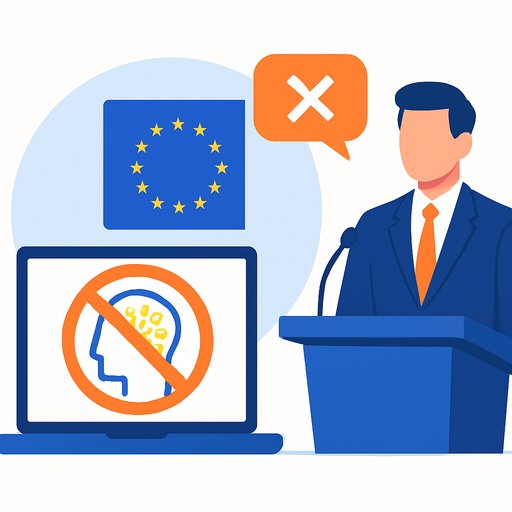
European Commission Bans AI-Generated Content From Official Communications
The European Commission will no longer use AI-generated videos, photos, or other synthetic content in official materials released to journalists and the public. The decision reflects a shift toward what officials call "authenticity" as trust in institutions erodes amid rising volumes of deepfakes and fabricated media.
Thomas Renier, a Commission spokesman, said the move protects credibility. "Authenticity remains a priority as it is directly linked to citizens' trust," he said. The ban applies to content the Commission creates and distributes, though technical uses of AI-such as improving image quality-remain permitted.
The Trust Argument
Researchers see the policy as a direct response to confusion caused by AI-generated content. Walter Pasquarelli, a Cambridge University researcher and advisor to the OECD, framed the decision bluntly: "In an era of declining trust, there is an argument that the strongest solution is to refuse to play by these rules at all."
The EU is not alone. Wikipedia's English-language edition prohibits editors from using neural networks to write or edit articles, with limited exceptions for translations.
The Trade-off
The Commission's approach carries risks. As institutions shift communications to digital channels, rejecting AI tools could slow response times and reduce operational efficiency. Pasquarelli cautioned that "responsible use is better than complete abandonment" of modern communication technologies.
The policy also surrenders influence over AI standards. The EU already requires AI-generated content to be labeled and watermarked under current law. By stepping back from using these tools, Brussels loses leverage in shaping how institutions worldwide deploy them.
For PR and communications professionals, the decision signals a broader question: whether to abandon emerging tools or master their responsible use. Learn more about AI for PR & Communications and how institutions are rethinking their approach to synthetic content.
Your membership also unlocks: