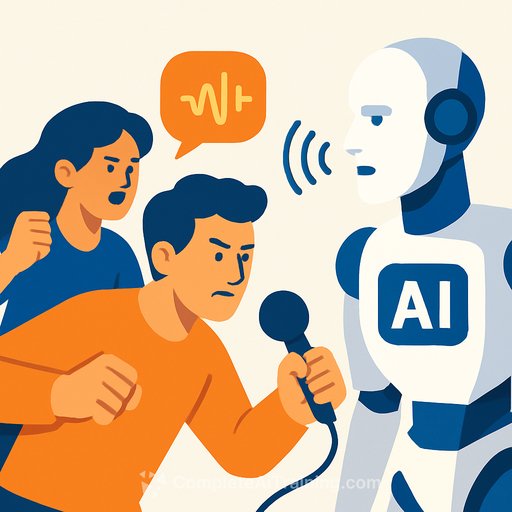
A Push Back from Human Synchronization Artists
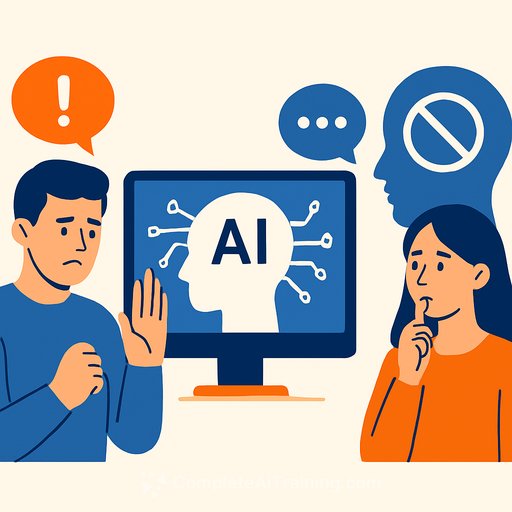
Dubbing is an art that works best when it goes unnoticed. Ironically, the voices of dubbers—or synchronization artists, as they prefer to be called—have become the loudest in Europe’s debate over AI in film and television production.
On April 1, several leading German dubbing artists, including the voices behind Ben Affleck, Angelina Jolie, and SpongeBob SquarePants, released a viral video. They warned that AI-generated voices, created without their consent by training on their own voices, threaten their livelihood.
This concern is echoed across Europe. Over 215,000 people signed the #TouchePasMaVF petition, started by the French Union of Performing Artists and dubbing association Les Voix. They emphasize that synchronization artists, alongside writers and technicians, form an industry recognized globally for quality—an industry now at risk from AI technology.
Contracts and Industry Responses
Italian dubbing artists’ association ANAD has introduced AI clauses in contracts, preventing voice cloning without explicit consent and compensation. Spain’s dubbers are following suit as they negotiate with studios and streaming platforms.
Pushback has stopped several high-profile AI dubbings. For instance, German streamer MagentaTV dropped the Polish crime series Murderesses after online backlash, when its German version was found to be AI-assisted. Similarly, Amazon France canceled plans to use an AI clone of the late actor Alain Dorval for the film Armor, opting for a human voice instead after industry criticism.
Contrasting Industry Perspectives
The 2023 Hollywood actors’ strike highlighted AI disputes in the US, but Europe initially seemed poised to avoid similar conflicts. Europe's market, dominated by small and mid-sized companies, often views AI as an opportunity rather than a threat.
In March, industry veterans launched The Media Company to integrate AI throughout creative processes. In April, Fremantle followed with Imaginae Studios, an AI-focused label supporting creative talent and innovation in storytelling.
Charlotte Lund Thomsen of the global producers association FIAPF notes that most members aren’t technophobic and even unions are engaging. Germany’s actors union BFFS and trade union Verdi signed a collective agreement with producers to set clear rules on AI use in productions—without the strikes seen elsewhere.
Legislation and Legal Challenges
Europe took a significant step in August 2024 by passing the AI Act, the first law regulating AI technology. It requires clear labeling of AI-created or manipulated content and demands compliance with Europe’s 2019 copyright law. This law gives creators exclusive rights to authorize or prohibit use of their works, with fair compensation.
However, the AI Act includes a loophole allowing “text and data mining” for education, research, or journalism. Dubbers and other creatives argue this loophole enables unauthorized use of their content. Fifteen cultural organizations, including FIAPF, warned that the draft guidelines for the AI Act create legal uncertainty and undermine copyright protections.
Thomsen fears that large AI firms might exploit this loophole by scraping copyright-protected content from piracy sites, as the draft only bans “well-known piracy sites” which change frequently. The guidelines demand only “reasonable efforts” for compliance, with vague transparency requirements. For example, transparency reports may only list the top 5–10% of sources used for AI training, leaving creators in the dark about the majority of content used.
What’s Next for Creatives?
Most of the AI Act will become enforceable by August 2, 2024. Without closing regulatory gaps, European creatives worry AI could disrupt the very industry it aims to support. FIAPF managing director Benoît Ginisty emphasizes that the goal isn’t to stop AI but to create a legal framework that allows a fair licensing market to grow.
For creatives working in dubbing, writing, music, or production, this moment calls for vigilance and engagement with emerging laws and contracts. Ensuring proper rights and compensation in the age of AI will shape the future of creative work in Europe.
To stay informed and adapt your skills in the evolving landscape of AI tools, explore practical resources and courses on Complete AI Training.
Your membership also unlocks: