EU Parliament Pushes High-Fidelity Copyright Rules for Generative AI: What Legal Teams Need to Do Now
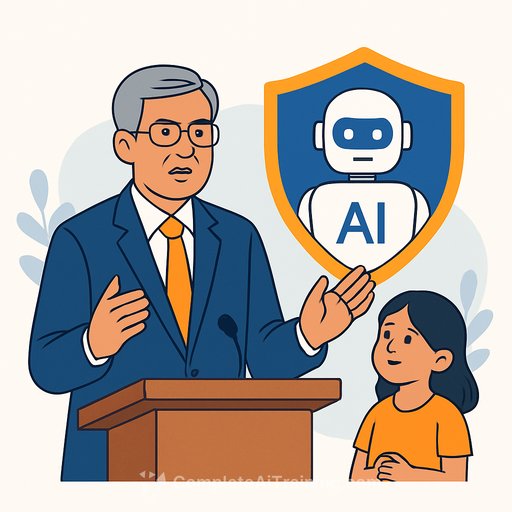
The European Parliament has issued a set of recommendations to close the gap between AI development and copyright law. The message is clear: EU copyright rules apply to every generative AI system placed on the EU market, no matter where the model was trained.
This is a market access issue, not a geography issue. With culture contributing 6.9% of EU GDP, the goal is to protect economic viability for creators, news outlets, and SMEs-without freezing innovation.
Key recommendations at a glance
- Mandatory fair remuneration: Pay creators for training use. No flat-rate "global licences."
- High-fidelity transparency: Keep itemised training lists and crawling logs, or face legal exposure.
- Sectoral licensing market: Enable voluntary collective licensing that includes individuals and SMEs.
- Right to opt-out: A central EU mechanism (potentially via the EUIPO) to exclude works from training.
- News media safeguards: Prevent traffic and revenue diversion; enforce compensation and refusal rights.
- No copyright for AI-only output: Works generated without human creative input remain ineligible.
What is a "generative AI licensing market"?
It is a structured system that swaps "scrape first, litigate later" for clear value exchange. AI providers must license copyrighted inputs, log usage, and show proof of rights clearance.
Legally, this builds certainty. Developers know what is cleared; rightsholders get paid; and courts get auditable records instead of guesswork.
Compliance implications for providers and deployers
- Training data provenance: Maintain itemised lists of protected works and their sources, with timestamps and crawl methods.
- Crawling records: Store bot IDs, rate, robots.txt status, access pathways, and any paywall interactions.
- Rights classification: Flag jurisdiction, term, ownership, and licence scope. Track moral rights where applicable.
- Opt-out enforcement: Respect opt-out registries and logs; document suppression steps and verification.
- Model cards + disclosures: Provide high-fidelity summaries of training datasets and licensing coverage for EU deployment.
- Incident and takedown: Define processes to remove infringing data, retrain or fine-tune, and notify affected rightsholders.
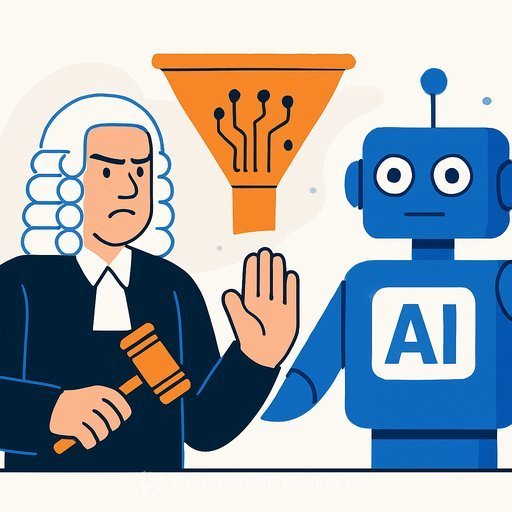
Failure to disclose itemised use could trigger infringement claims, injunctions, and damages. Expect plaintiffs to target both model providers and deployers where benefit and knowledge can be shown.
News media safeguards
Press publishers gain leverage against AI systems that siphon traffic and ad revenue. Compensation and refusal rights can be enforced through licensing, metering, and anti-crawling controls that must be honored.
Legal teams should align website terms, robots directives, paywall contracts, and content delivery rules with a clear enforcement path against unauthorized AI training and summarization.
Human authorship stays central
Works generated entirely by AI remain outside copyright protection. For hybrid outputs, document the human creative input and decision-making. This evidentiary layer will matter in disputes over originality and ownership.
Cross-border reach
The recommendations apply to all genAI systems placed on the EU market, regardless of where data was sourced or models trained. Non-EU providers face the same expectations on transparency, licensing, and opt-outs.
Plan for EU-grade disclosures in commercial agreements, procurement, and due diligence. Treat this as a condition for market entry.
Operationalising value exchange: legal building blocks
- Collective licensing rails: Sectoral agreements for images, text, audio, and video with auditable reporting.
- Usage metering: Token-level, batch-level, or dataset-level accounting tied to licence scope and term.
- Attribution registries: Creator IDs and content fingerprints to reconcile payments and disputes.
- Audit rights: Contractual access to logs, model documentation, and retraining workflows.
Policy relevance for India's creative economy
Orange Economy: Use transparency requirements to protect cultural IP from uncompensated training. Public registries can make unauthorized use provable, not speculative.
AVGC sector: Keep "human creative input" as the anchor. Incentivize workflows that document human authorship for export-grade legal certainty.
Bypassing IP vulnerabilities: Itemised training lists let the Controller General's office detect use of indigenous art and digital assets in foreign models and pursue remedies.
Global competitiveness: Align with EU norms to ease exports of Indian digital content into Europe, backed by recognizable legal protections.
Action checklist for legal teams
- Inventory training data and third-party datasets; map rights, licences, terms, and jurisdictions.
- Stand up a crawling and dataset logging system with immutable audit trails.
- Design an opt-out intake, suppression, and verification workflow; test against mock claims.
- Refresh ToS, robots rules, and API terms to govern AI use, summarization, and caching.
- Build standard licence templates with reporting, audit, and incident obligations.
- Update deal checklists: warranties on provenance, indemnities, and disclosure obligations for AI vendors.
- Train internal teams on "AI-only output" limits and hybrid authorship documentation.
Questions policy stakeholders should press
- How can government use international transparency registries to mechanically monitor the use of Indian media and news content in training by foreign genAI platforms?
- What data formats and fingerprints (e.g., content hashes, creator IDs) will be required to make registries enforceable in court?
- Which agency should host a centralized opt-out and what due process is needed for disputes and reversals?
- How will licensing revenue be distributed to individual creators and SMEs with low bargaining power?
- What penalties will apply for non-disclosure or falsified training records, and how will cross-border enforcement work?
Where to go next
For legal professionals building AI compliance programs, see AI for Legal for training on IP, copyright controls, and disclosure practices.
Read more on EU institutions and potential administration of opt-out mechanisms at the EUIPO, and follow legislative updates from the European Parliament.
Follow the full release
European Parliament: Protecting Copyrighted Work and the EU's Creative Sector in the Age of AI
Your membership also unlocks: