Kolkata Researchers Develop India's First AI Medical Robot for Early Disease Detection
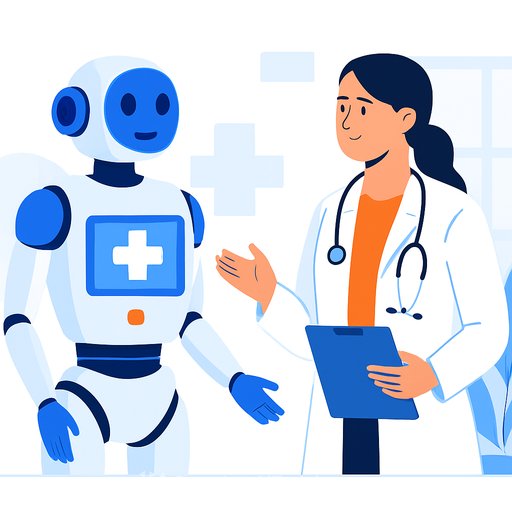
A significant technological step forward is happening in Kolkata, where researchers have developed India's first AI-powered medical robot. This prototype, named MedBot, is designed to independently monitor vital signs and help predict chronic diseases before symptoms appear.
The innovation comes from Dr. Ambarish Paul and Dr. Tania Mukherjee, researchers from IIT Kharagpur. The project received funding from iHub Divyasampark, IIT Roorkee, and is currently in the prototype stage, with plans for pilot deployment in private hospitals on the horizon.
Addressing a Core Healthcare Challenge
MedBot was created to ease the growing pressure in healthcare facilities. Medical staff spend a large portion of their time manually recording routine patient vitals, a task that is both time-consuming and prone to error.
This manual process can lead to staff exhaustion, delayed detection of patient deterioration, and mistakes in data entry. MedBot directly addresses these issues by automating the entire process.
Autonomous Monitoring and Predictive AI
The robot is fitted with advanced sensor modules to automatically and precisely measure blood pressure, blood glucose, blood oxygen saturation, heart rate, and body temperature. This information is then securely transmitted to Electronic Health Records for storage and later access.
The system uses machine learning to study the collected data. By analyzing patterns, it can identify the early signs of chronic diseases, allowing doctors to begin preventive treatment sooner and track recovery progress more effectively.
As AI becomes more integrated into medical practice, understanding its capabilities is essential for healthcare professionals. Staying informed about these tools can provide a clear advantage in a changing field. You can explore foundational AI concepts and training at Complete AI Training.
A Mobile Nursing Assistant
MedBot also includes robotic arms with seven degrees of freedom and grasping end effectors. These allow it to perform routine patient assistance tasks on its own, functioning much like a mobile nursing assistant.
By handling these duties, the robot reduces the workload of healthcare staff. This helps them focus on more important patient care and lowers the risk of burnout, improving the overall workflow in hospitals and helping manage resources more effectively.
The robot's capabilities also extend to public health. It can be used for mapping health risks in communities that are vulnerable to chronic diseases, making it a valuable tool for preventive care on a larger scale.
```Your membership also unlocks: